Is a Servo Press Machine Suitable for Small - Batch Production?


As a supplier of Servo Press Machines, I often get asked whether these machines are a good fit for small - batch production. In this blog, I'll delve into the characteristics of servo press machines and analyze their suitability for small - batch manufacturing scenarios.
Understanding Servo Press Machines
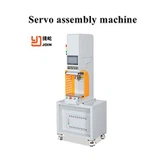
A Servo Press Machine is a highly advanced piece of equipment that utilizes servo motors to control the press's motion. Unlike traditional mechanical or hydraulic presses, servo press machines offer precise control over speed, position, and force. This precision is achieved through the integration of sophisticated control systems that can adjust the press operation in real - time according to the programmed parameters.
The servo motor in a servo press machine provides variable speed and torque control. This means that the press can operate at different speeds during different stages of the pressing process. For example, it can move quickly to the workpiece during the approach phase, then slow down for the actual pressing operation to ensure accurate force application. This flexibility is a significant advantage over traditional presses, which often have fixed operating speeds and limited force - control capabilities.
Advantages of Servo Press Machines for Small - Batch Production
1. Flexibility
One of the most significant advantages of servo press machines for small - batch production is their flexibility. In small - batch manufacturing, products often change frequently, and the production process needs to be adjusted accordingly. Servo press machines can be easily reprogrammed to accommodate different product specifications. Whether it's changing the pressing force, stroke length, or speed, operators can make these adjustments quickly through the machine's control panel. This eliminates the need for time - consuming mechanical adjustments or the replacement of tooling components that are common in traditional presses.
For example, if a small - batch production run involves manufacturing two different types of parts with different pressing requirements, a servo press machine can be programmed to handle both tasks without significant downtime. This adaptability allows manufacturers to respond rapidly to market demands and produce a variety of products in small quantities efficiently.
2. Precision
Precision is crucial in small - batch production, especially when dealing with high - value or complex parts. Servo press machines offer exceptional precision in terms of force and position control. The servo motor can accurately deliver the required pressing force within a very narrow tolerance range. This is essential for applications such as assembling delicate electronic components or forming precise metal parts.
In small - batch production, even a small deviation in the pressing process can lead to defective products. With a servo press machine, manufacturers can ensure consistent quality across all parts in a batch. The real - time monitoring and feedback systems in servo press machines also allow for immediate detection of any deviations from the set parameters, enabling operators to take corrective actions promptly.
3. Energy Efficiency
Energy consumption is a significant concern for any manufacturing operation, especially in small - batch production where the production volume is relatively low. Servo press machines are more energy - efficient compared to traditional hydraulic presses. Hydraulic presses typically operate at a constant power level, even when they are not actively pressing a part. In contrast, servo press machines only consume energy when they are performing work. The servo motor can adjust its power output according to the actual load requirements, resulting in significant energy savings.
This energy efficiency not only reduces the operating costs for small - batch manufacturers but also aligns with the growing trend towards sustainable manufacturing practices. By using less energy, manufacturers can also reduce their carbon footprint, which is an important consideration in today's environmentally conscious market.
4. Reduced Tooling Wear
In small - batch production, tooling costs can be a significant factor. Traditional presses often subject the tooling to high - impact forces, which can lead to rapid wear and tear. Servo press machines, on the other hand, can apply force more smoothly and gradually. This reduces the stress on the tooling and extends its lifespan.
The ability to control the speed and force of the press also allows for more precise tool engagement. This means that the tooling is less likely to be damaged during the pressing process. As a result, small - batch manufacturers can save on tooling replacement costs and reduce the frequency of tooling maintenance, which can further increase productivity.
Challenges of Using Servo Press Machines in Small - Batch Production
1. Initial Investment
One of the main challenges of using servo press machines in small - batch production is the relatively high initial investment. Servo press machines are more expensive than traditional mechanical or hydraulic presses due to their advanced technology and sophisticated control systems. For small - batch manufacturers with limited budgets, this upfront cost can be a significant barrier.
However, it's important to consider the long - term benefits of using a servo press machine. The savings in energy costs, tooling wear, and increased productivity can offset the initial investment over time. Additionally, as the technology matures and becomes more widespread, the cost of servo press machines is gradually decreasing.
2. Operator Training
Servo press machines are more complex than traditional presses, and operators need to receive proper training to operate them effectively. The programming and operation of servo press machines require a certain level of technical knowledge. Small - batch manufacturers may not have the resources or expertise to provide comprehensive training to their operators.
To address this issue, some servo press machine suppliers offer training programs and technical support. By investing in operator training, manufacturers can ensure that their operators can fully utilize the capabilities of the servo press machine and achieve optimal production results.
Case Studies
Let's look at some real - world examples to illustrate the suitability of servo press machines for small - batch production.
A small - scale electronics manufacturer was producing a variety of custom - made circuit boards. Each batch had different specifications, and the pressing process required precise control of force and position. The company initially used a traditional hydraulic press, but they faced issues with inconsistent quality and high tooling wear. After switching to a servo press machine, they were able to reprogram the machine easily for each new batch. The precision control of the servo press machine improved the quality of the circuit boards significantly, and the reduced tooling wear led to cost savings.
Another example is a jewelry manufacturer that produces small batches of high - end jewelry pieces. The forming and assembly processes required delicate force application to avoid damaging the precious materials. A servo press machine allowed the manufacturer to control the pressing force with high precision, resulting in better - quality jewelry pieces. The flexibility of the servo press machine also enabled the manufacturer to quickly adapt to different designs and production requirements.
Conclusion
In conclusion, servo press machines are well - suited for small - batch production. Their flexibility, precision, energy efficiency, and ability to reduce tooling wear make them an attractive option for manufacturers who need to produce a variety of products in small quantities. Although there are challenges such as the high initial investment and the need for operator training, the long - term benefits outweigh these drawbacks.
If you are a small - batch manufacturer looking to improve your production efficiency and product quality, I encourage you to consider a Servo Press Machine. Our company offers a wide range of servo press machines with advanced features and reliable performance. We also provide comprehensive technical support and training to ensure that you can make the most of your investment. If you are interested in learning more about our servo press machines or discussing your specific production needs, please feel free to contact us for a detailed consultation and to start the procurement process.
References
- "Advanced Press Technologies for Small - Batch Manufacturing", Manufacturing Technology Journal, Vol. 15, Issue 2.
- "Servo Press Machines: A Comparative Analysis with Traditional Presses", Industrial Engineering Review, Vol. 22, Issue 3.