

When it comes to the manufacturing industry, the safety of operators is of paramount importance. As a supplier of Servo Assembly Machine, I understand the critical role that safety plays in the daily operations of using such machinery. In this blog, I will share some key strategies and practices to ensure the safety of operators when using a Servo Assembly Machine.
1. Comprehensive Training
One of the most fundamental steps in ensuring operator safety is providing comprehensive training. Operators should be well - versed in the machine's functions, controls, and operating procedures before they start working with the Servo Assembly Machine.
The training program should cover both theoretical and practical aspects. The theoretical part includes understanding the machine's design principles, electrical and mechanical components, and safety features. For example, operators need to know how the servo system works, what the different sensors are for, and how the emergency stop button functions.
In the practical training, operators should have hands - on experience in setting up the machine, loading and unloading workpieces, and performing routine maintenance tasks. They should practice operating the machine under the supervision of experienced trainers until they are confident and proficient.
Regular refresher courses should also be provided to keep operators updated on new safety regulations, machine upgrades, and best practices. This continuous learning approach helps to reinforce safety awareness and skills over time.
2. Machine Design and Safety Features
As a supplier, we pay great attention to the design of the Servo Assembly Machine to incorporate advanced safety features.
First, the machine is equipped with multiple layers of safety guards. These guards are made of high - strength materials and are designed to prevent operators from accidentally coming into contact with moving parts, such as belts, gears, and rotating shafts. The guards are also interlocked with the machine's control system, which means that if a guard is opened during operation, the machine will automatically stop.
Second, the Servo Assembly Machine is installed with safety sensors. These sensors can detect the presence of operators in the danger zone and trigger an immediate stop of the machine. For example, infrared sensors can be used to detect the movement of hands or other body parts near the working area, and pressure sensors can be installed on the workbench to detect abnormal pressure changes.
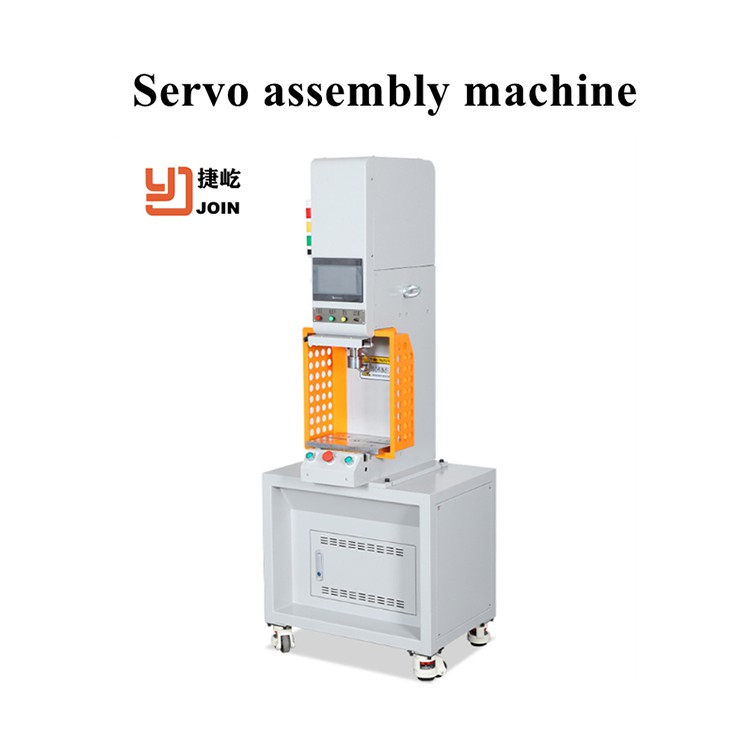
In addition, the machine has an emergency stop button that is easily accessible from all sides of the machine. Operators can quickly press this button in case of an emergency to stop the machine immediately. The emergency stop function is designed to override all other control signals and bring the machine to a safe state as soon as possible.
3. Personal Protective Equipment (PPE)
Providing appropriate personal protective equipment (PPE) is another essential measure to ensure operator safety.
Operators should wear safety glasses to protect their eyes from flying debris, such as metal shavings or dust particles. Safety gloves should be worn to protect their hands from cuts, abrasions, and chemical substances. Depending on the specific working environment, operators may also need to wear earplugs to reduce noise exposure, safety shoes to protect their feet from falling objects or sharp edges, and protective clothing to prevent skin contact with hazardous materials.
As a supplier, we not only provide information on the correct use of PPE but also ensure that the PPE meets relevant safety standards. We encourage operators to inspect their PPE regularly for any signs of damage or wear and replace it when necessary.
4. Routine Maintenance and Inspection
Regular maintenance and inspection of the Servo Assembly Machine are crucial for ensuring its safe and reliable operation.
A preventive maintenance schedule should be established, which includes tasks such as lubrication, cleaning, and calibration of the machine's components. By following this schedule, potential problems can be detected and resolved before they lead to safety hazards. For example, regular lubrication of moving parts can reduce friction and wear, preventing unexpected breakdowns.
In addition to preventive maintenance, operators should conduct daily inspections of the machine before starting work. They should check for any loose bolts, damaged wires, or abnormal noises. If any problems are found, they should report them immediately to the maintenance team and refrain from operating the machine until the issues are resolved.
The maintenance team should also perform periodic in - depth inspections of the machine, including checking the functionality of safety features, such as guards, sensors, and emergency stop buttons. Any defective parts should be replaced promptly to ensure the continued safety of the machine.
5. Workplace Safety Culture
Creating a strong workplace safety culture is the foundation for ensuring operator safety.
Management should lead by example and prioritize safety in all aspects of the business. They should provide the necessary resources and support for safety initiatives, such as training programs, PPE procurement, and machine maintenance.
Safety meetings should be held regularly to discuss safety issues, share safety tips, and encourage operators to report any safety concerns. Operators should be empowered to participate in safety improvement activities, such as suggesting new safety measures or reporting near - miss incidents.
Incentive programs can also be implemented to reward operators for their safe behavior and contributions to workplace safety. This positive reinforcement approach helps to create a sense of ownership and responsibility among operators, which in turn promotes a safer working environment.
6. Complementary Equipment and Safety
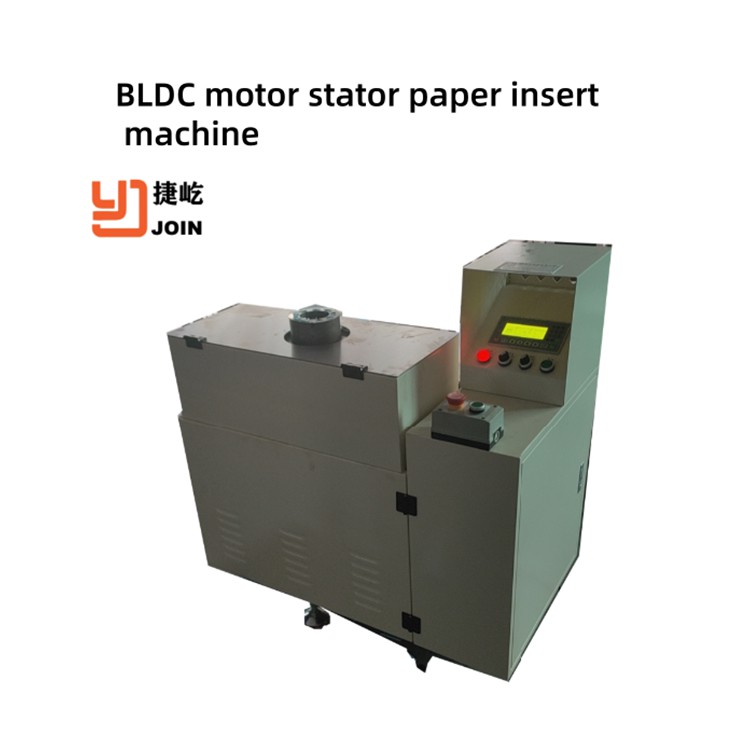
In addition to the Servo Assembly Machine itself, other complementary equipment in the production line also needs to be considered for safety. For example, Paper Insert Machine and Static Powder Coating Machine that are often used in conjunction with the Servo Assembly Machine should also meet high - level safety standards.
These complementary machines should be properly integrated with the Servo Assembly Machine to ensure seamless and safe operation. Operators should be trained to use these machines in combination, and safety interlocks should be established between different machines to prevent any potential safety risks during the transfer of workpieces.
Conclusion
Ensuring the safety of operators when using a Servo Assembly Machine is a multi - faceted task that requires a combination of comprehensive training, advanced machine design, appropriate PPE, regular maintenance, a strong safety culture, and consideration of complementary equipment. As a supplier, we are committed to providing high - quality machines and support services to help our customers create a safe and productive working environment.
If you are interested in our Servo Assembly Machine or have any safety - related questions, please feel free to contact us for further discussion and potential procurement. We are always ready to offer professional advice and solutions to meet your specific needs.
References
- Occupational Safety and Health Administration (OSHA) standards related to industrial machinery safety.
- Industry best practices and guidelines for servo assembly machine operation and safety.


