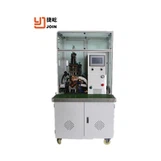
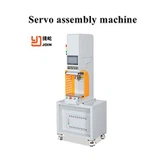
As a supplier of Bearing Assembly Machines, I've been thinking a lot lately about the future of these nifty pieces of equipment. Can a Bearing Assembly Machine be upgraded in the future? You bet it can, and I'm here to break down why I'm so confident about that.
First off, let's talk about the current state of Bearing Assembly Machines. These machines are already pretty amazing. They're designed to assemble bearings with high precision and efficiency. They can handle different types of bearings, from small ones used in electronics to large industrial - grade bearings. But like any technology, they're not perfect, and there's always room for improvement.
One of the main areas where upgrades are likely to happen is in automation. Right now, most Bearing Assembly Machines are semi - automated. They still require some human intervention, like loading the parts and monitoring the process. But in the future, we can expect full automation. With the development of advanced robotics and artificial intelligence, these machines could be able to load parts, assemble bearings, and even perform quality control checks all on their own. This would not only increase efficiency but also reduce the risk of human error.

For example, imagine a Bearing Assembly Machine that uses AI - powered vision systems. These systems could detect any defects in the bearings during the assembly process. If a bearing has a scratch or an incorrect dimension, the machine could automatically reject it and start working on the next one. This kind of real - time quality control would save a lot of time and money in the long run.
Another area for potential upgrades is in the speed of operation. As industries demand more and more bearings, the need for faster assembly machines is growing. Future Bearing Assembly Machines could be designed with more powerful motors and better mechanical components to increase their speed. They could also use advanced algorithms to optimize the assembly process, reducing the time it takes to assemble each bearing.
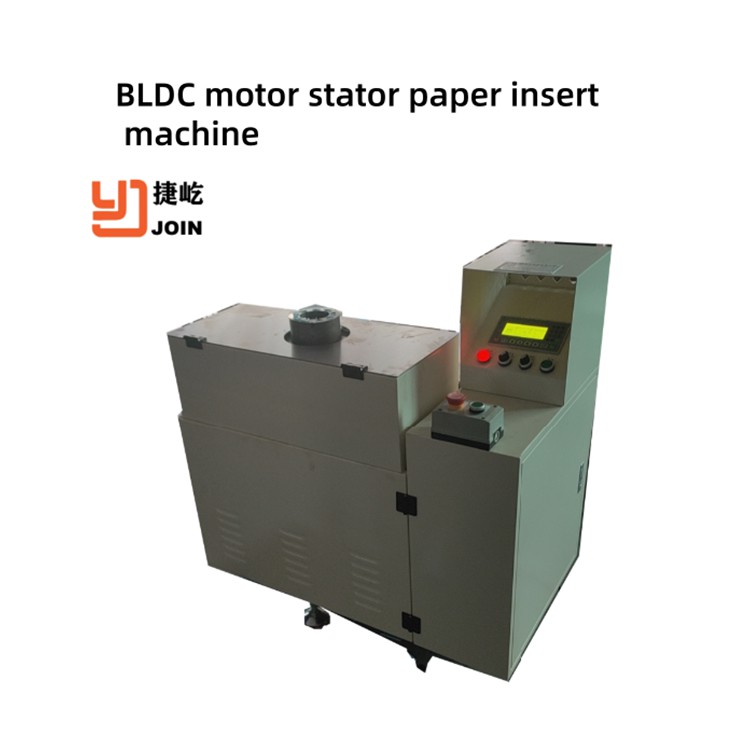
Let's also consider the integration with other machines. In a modern manufacturing plant, different machines need to work together seamlessly. A Bearing Assembly Machine could be upgraded to integrate with other equipment such as Paper Insert Machine and Stator Insulation Machine. This integration would create a more streamlined production process. For instance, once the bearings are assembled, they could be automatically transferred to the stator insulation machine without any manual handling. This would not only speed up the production but also improve the overall quality of the final product.
In terms of software, future upgrades could bring a whole new level of functionality. Current Bearing Assembly Machines usually have basic control software, but in the future, they could be equipped with more advanced software that allows for remote monitoring and control. This means that operators could monitor the machine's performance from anywhere in the world using a smartphone or a computer. They could also make adjustments to the machine's settings without having to be physically present at the machine.
Now, let's talk about the materials used in the construction of Bearing Assembly Machines. As new materials are developed, there's a potential to upgrade the machines to be more durable and lightweight. For example, using carbon fiber composites in some parts of the machine could reduce its weight without sacrificing strength. This would make the machine easier to move and install, and it could also reduce energy consumption.
There's also the aspect of environmental friendliness. Future Bearing Assembly Machines could be designed to be more energy - efficient. They could use less electricity and produce less waste. This is not only good for the environment but also for the bottom line of the manufacturing companies. With rising energy costs, an energy - efficient machine could save a significant amount of money over its lifetime.
But upgrading a Bearing Assembly Machine is not without its challenges. One of the biggest challenges is the cost. Developing and implementing new technologies can be expensive. Manufacturers need to balance the cost of the upgrade with the potential benefits. Another challenge is the compatibility with existing systems. When upgrading a machine, it needs to be able to work with the other equipment in the manufacturing plant. Otherwise, it could cause more problems than it solves.
Despite these challenges, I'm really optimistic about the future of Bearing Assembly Machine upgrades. The demand for better, faster, and more efficient machines is only going to increase. As a supplier, I'm constantly looking for ways to improve our products. We're working with research institutions and technology companies to explore new possibilities for upgrading our Bearing Assembly Machines.
If you're in the market for a Bearing Assembly Machine or looking to upgrade your existing one, I encourage you to check out our Bearing Assembly Machine. We're committed to providing high - quality, innovative machines that can meet the needs of modern manufacturing. Whether you're a small - scale manufacturer or a large industrial company, we have a solution for you. If you have any questions or want to discuss your specific requirements, don't hesitate to get in touch. We're here to help you make the best decision for your business.
References:
- Industry reports on manufacturing technology trends
- Research papers on automation and robotics in manufacturing
- Interviews with experts in the bearing manufacturing industry