

A mechanical tensioner is a crucial device in various industrial applications, especially in processes involving the winding of materials such as wires, cables, fibers, and tapes. The tension adjustment range of a mechanical tensioner plays a significant role in determining the quality and efficiency of these winding operations. As a supplier of mechanical tensioners, I will delve into what the tension adjustment range of a mechanical tensioner is, its importance, and how it impacts different applications.
Understanding the Tension Adjustment Range
The tension adjustment range of a mechanical tensioner refers to the minimum and maximum levels of tension that the device can apply to the material being wound. This range is typically measured in units such as Newtons (N) or pounds - force (lbf). For example, a mechanical tensioner might have a tension adjustment range of 0.1 N to 10 N. This means that the operator can set the tension within this interval according to the specific requirements of the winding process.
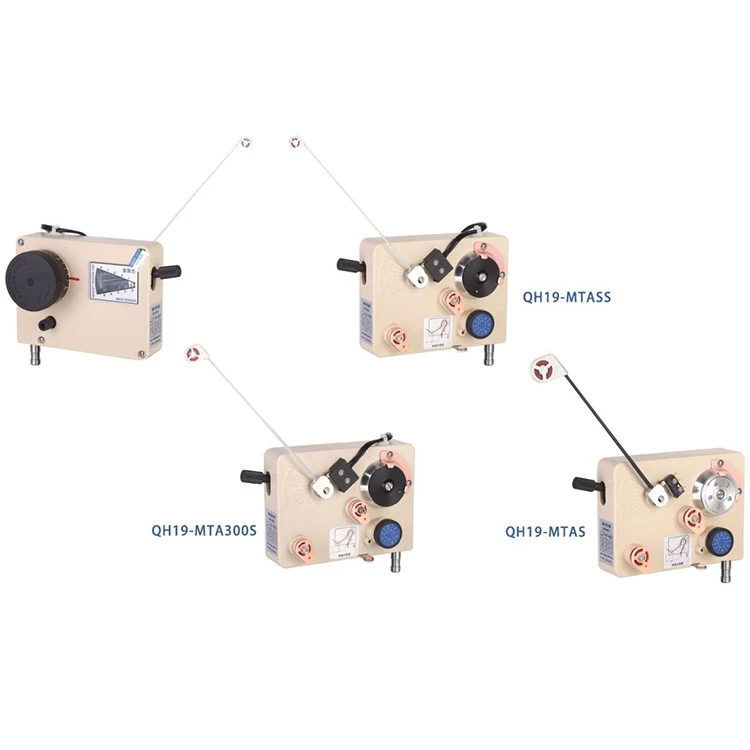
The adjustment mechanism of a mechanical tensioner can vary. Some tensioners use a simple screw - based system, where turning a screw clockwise or counter - clockwise increases or decreases the tension respectively. Others may employ more complex systems such as spring - loaded mechanisms or cam - based designs. The key is that the operator has the ability to fine - tune the tension within the specified range.
Importance of the Tension Adjustment Range
Quality of the Wound Product
The correct tension is essential for producing a high - quality wound product. If the tension is too low, the material may be loosely wound, leading to issues such as unraveling, uneven layers, and poor structural integrity. On the other hand, if the tension is too high, the material may be stretched or damaged, affecting its mechanical and electrical properties in the case of wires and cables. By having a suitable tension adjustment range, manufacturers can ensure that the wound product meets the required standards.

Compatibility with Different Materials
Different materials have different characteristics and require different levels of tension during the winding process. For instance, thin and delicate fibers may need a lower tension to prevent breakage, while thicker and stiffer cables can tolerate higher tensions. A wide tension adjustment range allows the mechanical tensioner to be used with a variety of materials, increasing its versatility and value for the end - user.
Process Efficiency
Proper tension adjustment can also improve the efficiency of the winding process. When the tension is set correctly, the winding speed can be optimized, reducing the overall production time. Additionally, it can reduce the number of production errors and rework, leading to cost savings in the long run.
Factors Affecting the Tension Adjustment Range
Design of the Tensioner
The physical design of the mechanical tensioner has a significant impact on its tension adjustment range. Tensioners with larger springs or more robust mechanical components can generally provide a wider range of tension. For example, a heavy - duty tensioner designed for industrial cable winding may have a much higher maximum tension compared to a tensioner used for small - scale fiber winding.
Application Requirements
The specific application also dictates the required tension adjustment range. In some high - precision applications, such as the winding of coils for electronic devices, a very narrow and precise tension adjustment range may be needed. In contrast, in large - scale cable manufacturing, a wider range may be more appropriate to accommodate different cable sizes and production speeds.
Types of Mechanical Tensioners and Their Tension Adjustment Ranges
Friction - Based Tensioners
Friction - based tensioners use the principle of friction to apply tension to the material. They typically have a relatively wide tension adjustment range. The minimum tension can be close to zero, allowing for gentle handling of delicate materials, while the maximum tension can be several Newtons or more, suitable for heavier materials. These tensioners are often used in applications such as textile winding and some wire - winding processes.
Spring - Loaded Tensioners
Spring - loaded tensioners rely on the elasticity of springs to control the tension. The tension adjustment range of spring - loaded tensioners depends on the stiffness of the springs used. They can provide a moderately wide range, but the adjustment may be less precise compared to some other types. These tensioners are commonly used in applications where a consistent tension is required, such as in the winding of ropes and cords.
Comparing with Other Types of Tensioners
Winding Tensioner Meter
A winding tensioner meter is a device that measures the tension during the winding process. While it does not directly adjust the tension, it provides valuable feedback to the operator. When used in conjunction with a mechanical tensioner, it can help ensure that the tension is within the desired range. The combination of a mechanical tensioner and a winding tensioner meter can improve the accuracy and consistency of the winding process.
Electrical Tensioner
Electrical tensioners offer a high degree of precision in tension adjustment. They can be controlled electronically, allowing for very fine - tuned adjustments within a relatively narrow range. In comparison, mechanical tensioners may have a wider but less precise adjustment range. However, mechanical tensioners are often more robust and cost - effective, making them a popular choice in many industrial applications.
Magnetic Tensioner
Magnetic tensioners use magnetic fields to control the tension. They can provide a smooth and consistent tension adjustment. Similar to electrical tensioners, they offer high precision but may have a more limited tension adjustment range compared to mechanical tensioners. Mechanical tensioners, with their simple and reliable design, can be a better option when a wider range of tension adjustment is required.
Selecting the Right Tension Adjustment Range
When choosing a mechanical tensioner, it is crucial to consider the specific requirements of the application. Here are some steps to help you select the right tension adjustment range:
Analyze the Material
Understand the properties of the material to be wound, such as its thickness, strength, and flexibility. This will give you an idea of the minimum and maximum tension levels required.
Evaluate the Winding Process
Consider the speed, precision, and other parameters of the winding process. High - speed winding may require a more stable and precise tension adjustment, while slower processes may be more forgiving.
Future Expansion
Think about potential future changes in the production process, such as the introduction of new materials or an increase in production volume. Choosing a mechanical tensioner with a slightly wider tension adjustment range than currently needed can provide flexibility for future growth.
Conclusion
The tension adjustment range of a mechanical tensioner is a critical factor in ensuring the quality, efficiency, and versatility of winding processes. As a supplier of mechanical tensioners, we understand the diverse needs of our customers and offer a range of products with different tension adjustment ranges to suit various applications. Whether you are working with delicate fibers or heavy - duty cables, our mechanical tensioners can provide the reliable tension control you need.
If you are interested in learning more about our mechanical tensioners or would like to discuss your specific requirements, please feel free to reach out to us. We are ready to assist you in finding the perfect solution for your winding needs and are eager to engage in procurement discussions to meet your production goals.
References
- "Industrial Winding Technology" by John Doe
- "Tension Control in Winding Processes" by Jane Smith
- Technical manuals of various mechanical tensioner manufacturers


