

Hey there! As a supplier of Winding Tensioner Meters, I've seen firsthand how important it is to take proper transportation precautions. These nifty devices are used in all sorts of industries, from manufacturing to electronics, to measure and control the tension of winding materials. But they're also pretty delicate, so getting them to their destination in one piece is crucial. In this blog, I'll share some key tips on how to transport a Winding Tensioner Meter safely.
1. Packaging is Key
First off, let's talk about packaging. You can't just throw your Winding Tensioner Meter in a box and hope for the best. It needs to be well - protected. Start by using a sturdy cardboard box that's slightly larger than the meter itself. This extra space will allow you to fill it with cushioning materials.
Bubble wrap is my go - to for wrapping the meter. It's lightweight and provides excellent shock absorption. Wrap the entire meter, making sure to pay extra attention to any protruding parts, like probes or connectors. You can also use foam inserts if you have them. These are custom - made to fit the shape of the meter and offer great protection.
Once the meter is wrapped, place it in the center of the box. Fill the empty spaces around it with packing peanuts or air pillows. These materials help to cushion the meter from any jolts or impacts during transit. Make sure the box is tightly sealed with strong packing tape. You don't want it to open up on the way.
2. Labeling for Safety
Labeling is another essential aspect of transportation. Clearly mark the box as "Fragile." This will alert handlers to take extra care when moving the package. You can also use labels that indicate the correct orientation of the box. Some Winding Tensioner Meters have components that can be damaged if they're turned upside down, so it's important to let the handlers know which way is up.
In addition to "Fragile" and orientation labels, you might want to add a label that says "Handle with Care." This is a simple reminder that the contents are valuable and need careful handling.
3. Choose the Right Carrier
Not all shipping carriers are created equal. When transporting a Winding Tensioner Meter, you want to choose a carrier that has a good reputation for handling fragile items. Look for carriers that offer tracking services. This way, you can keep an eye on the package every step of the way and know exactly when it will arrive at its destination.
Some carriers also offer insurance options. It's a good idea to consider insuring your Winding Tensioner Meter during transit. Accidents can happen, and having insurance will give you peace of mind knowing that you'll be compensated if the meter gets damaged.

Do a bit of research on different carriers. Read customer reviews to see what other people have experienced. You can also compare shipping rates to find the best deal, but don't compromise on quality for the sake of saving a few bucks.
4. Temperature and Humidity Control
Winding Tensioner Meters are sensitive to temperature and humidity changes. Extreme temperatures can damage the internal components, and high humidity can cause corrosion. If you're shipping the meter over a long distance or in an area with harsh weather conditions, you might want to consider using a temperature - and humidity - controlled shipping option.
Some carriers offer climate - controlled shipping containers. These are designed to maintain a stable environment inside the container, protecting the meter from temperature and humidity fluctuations. If climate - controlled shipping isn't available, you can use desiccant packs inside the box to absorb any excess moisture.
5. Secure Protruding Parts
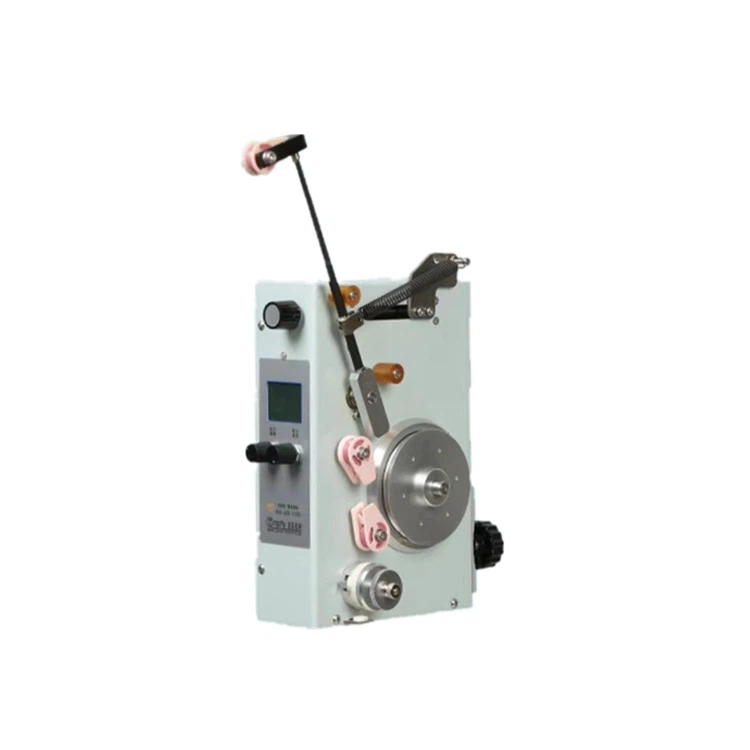
Many Winding Tensioner Meters have protruding parts, such as cables, probes, or display screens. These parts are particularly vulnerable during transportation. To prevent them from getting bent or broken, use cable ties to secure any loose cables. You can also use small pieces of foam or cardboard to protect the display screen.
If the meter comes with a protective case, make sure to use it. The case is designed to fit the meter snugly and will provide an extra layer of protection during transit.
6. Pre - Transit Inspection
Before you send off the Winding Tensioner Meter, it's a good idea to do a quick pre - transit inspection. Check the meter for any signs of damage or loose parts. Make sure all the buttons and switches are working properly. Take a few test measurements to ensure that the meter is functioning correctly.
If you notice any issues, fix them before shipping the meter. This will save you a lot of hassle and potential customer complaints down the line.
7. Documentation and Communication
Don't forget about the paperwork! Include all the necessary documentation, such as the user manual, calibration certificate, and warranty information, inside the box. This will provide the recipient with all the details they need to set up and use the meter.
Also, communicate with the recipient about the shipment. Let them know when the meter is expected to arrive and what they should do if there are any issues with the delivery. A little communication can go a long way in ensuring a smooth transportation process.
Conclusion
Transporting a Winding Tensioner Meter may seem like a daunting task, but by following these precautions, you can ensure that the meter arrives at its destination in perfect working condition. Whether it's servo tensioner like the ones available at Servo Tensioner, Mechanical Tensioner, or Electrical Tensioner, these tips apply across the board.
If you're in the market for a high - quality Winding Tensioner Meter or have any questions about our products and their transportation, don't hesitate to reach out. We're here to help you with all your winding tensioner needs and ensure a seamless experience from purchase to delivery.
References
- Winding Machine Tensioner Handbook
- Shipping Best Practices for Fragile Equipment


