

As a trusted supplier of winding machines, I understand the significance of proper maintenance to ensure the longevity and optimal performance of these critical pieces of equipment. In this blog, I'll share some essential tips on how to maintain a winding machine, which will not only save you time and money but also enhance the quality of your production.
Regular Cleaning
One of the most fundamental aspects of winding machine maintenance is regular cleaning. Over time, dust, debris, and residues from the winding process can accumulate on the machine's components, leading to increased wear and tear, reduced efficiency, and potential malfunctions.
To clean the winding machine, start by powering it off and unplugging it from the electrical source. Use a soft brush or compressed air to remove loose dust and debris from the exterior surfaces, including the frame, control panel, and motor housing. For more stubborn dirt, you can use a mild detergent solution and a clean, lint - free cloth. Be careful not to get any liquid into the electrical components.
Inside the machine, pay special attention to the winding area, guides, and tensioners. These parts are in direct contact with the wire and are prone to build - up. Use a small brush to clean the grooves and channels where the wire passes through. Additionally, clean the pulley systems and belts to ensure smooth operation.
Lubrication
Proper lubrication is crucial for the smooth functioning of a winding machine. Moving parts such as bearings, gears, and slides need to be lubricated regularly to reduce friction and prevent premature wear.
Refer to the machine's user manual to determine the appropriate type of lubricant and the recommended lubrication intervals. Generally, for most winding machines, a high - quality industrial grease or oil is used. Apply the lubricant carefully to the designated points, making sure not to over - lubricate as this can attract dust and cause more problems.
For example, the bearings should be lubricated at least once a month, depending on the machine's usage. When lubricating the gears, use a grease gun to apply the lubricant evenly between the teeth. Check the lubricant levels regularly and top up as needed.
Inspection of Electrical Components
The electrical components of a winding machine are vital for its operation, and any issues with them can lead to serious problems. Regularly inspect the wiring, connectors, and switches for signs of damage, such as frayed wires, loose connections, or burned components.
Check the insulation of the wires to ensure there are no exposed conductors that could cause a short - circuit. Use a multimeter to test the electrical continuity of the circuits and verify that the voltage and current are within the normal range.
Inspect the control panel for any error messages or abnormal readings. If you notice any issues, it's important to address them immediately. Replace any damaged components with genuine parts to ensure the safety and reliability of the machine. For complex electrical problems, it may be necessary to consult a professional electrician.
Calibration
Calibration is essential to maintain the accuracy of the winding machine. Over time, the machine's settings can drift, leading to inconsistent winding results. Regular calibration ensures that the machine winds the wire with the correct tension, speed, and number of turns.
Use calibrated measuring tools to check the tension of the wire during the winding process. Adjust the tensioners as needed to achieve the desired tension. Also, verify the winding speed and the number of turns per layer. Most modern winding machines have built - in calibration functions that can be accessed through the control panel. Follow the manufacturer's instructions to perform the calibration procedure accurately.
Belt and Pulley Maintenance
The belts and pulleys on a winding machine play a crucial role in transmitting power and controlling the speed. Check the belts regularly for signs of wear, such as cracks, fraying, or stretching. If a belt is worn out, it should be replaced immediately to prevent slippage and ensure proper operation.
Inspect the pulleys for any damage or misalignment. Clean the pulley surfaces to remove any debris that could affect the belt's grip. Adjust the belt tension as recommended in the user manual. A loose belt can cause the machine to operate inefficiently, while an overly tight belt can put excessive stress on the motor and other components.
Software Updates
If your winding machine is equipped with software for control and automation, it's important to keep the software up - to - date. Software updates often include bug fixes, performance improvements, and new features that can enhance the machine's functionality.

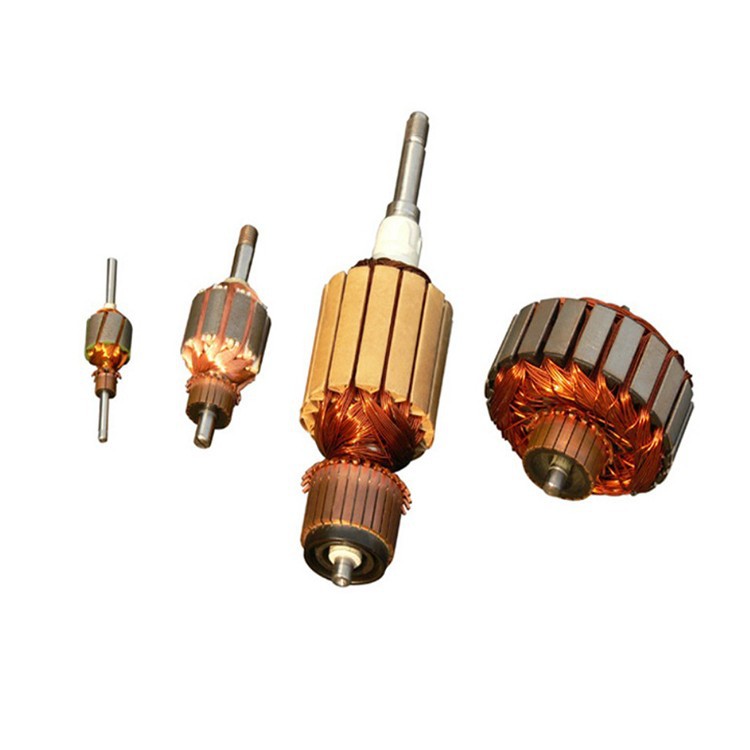
Check the manufacturer's website regularly for software updates. Follow the provided instructions carefully to install the updates. Before installing an update, make sure to back up any important data or settings on the machine to avoid losing them.
Operator Training
Proper operator training is an often - overlooked aspect of winding machine maintenance. Well - trained operators are more likely to use the machine correctly, follow the maintenance procedures, and detect potential problems early.
Provide comprehensive training to your operators on the machine's operation, safety procedures, and maintenance requirements. Encourage them to report any unusual noises, vibrations, or performance issues immediately. By involving the operators in the maintenance process, you can prevent many problems from occurring in the first place.
Benefits of Regular Maintenance
Regular maintenance of a winding machine offers several benefits. Firstly, it extends the machine's lifespan, reducing the need for costly replacements. Secondly, it improves the quality of the winding, resulting in better - quality products. Thirdly, it enhances the machine's efficiency, reducing energy consumption and production costs. Finally, it improves safety in the workplace by ensuring that the machine operates properly and without any potential hazards.
Contact for Purchase and Consultation
If you are in the market for a new winding machine or need further advice on winding machine maintenance, we are here to help. We offer a wide range of high - quality winding machines, including the Armature Winding Machine, Transformer Bobbin Winding Machine, and our advanced Servo Motor Stator Production Line.
Our team of experts can provide you with detailed information about our products and offer customized solutions to meet your specific needs. Whether you are a small - scale workshop or a large - scale manufacturing plant, we have the right winding machine for you.
If you have any questions or would like to discuss your requirements, please feel free to reach out to us. We look forward to the opportunity to work with you and help you optimize your production processes.
References
- Manufacturer's user manuals for winding machines
- Industrial maintenance best - practice guides
- Technical literature on electrical and mechanical components of winding machines


