

As a provider of motor winding machines, I understand the critical role that reliability plays in the performance and longevity of these machines. A reliable motor winding machine not only ensures consistent production quality but also minimizes downtime and maintenance costs. In this blog post, I will share some practical strategies and best practices on how to improve the reliability of a motor winding machine.
1. Regular Maintenance and Inspection
One of the most fundamental steps in enhancing the reliability of a motor winding machine is to establish a comprehensive maintenance and inspection schedule. Regular maintenance helps to identify and address potential issues before they escalate into major problems. Here are some key maintenance tasks:
- Cleaning: Dust, debris, and oil can accumulate on the machine's components over time, which can affect its performance. Regularly clean the machine, including the winding heads, guides, and tensioners, to prevent clogging and ensure smooth operation.
- Lubrication: Proper lubrication is essential for reducing friction and wear on moving parts. Follow the manufacturer's recommendations for lubrication intervals and use the appropriate lubricants. Check the oil levels regularly and top up as needed.
- Belt and Chain Tension: Loose or worn belts and chains can cause slippage, which can lead to inconsistent winding and reduced machine efficiency. Inspect the belts and chains regularly and adjust the tension as required.
- Electrical Connections: Loose or corroded electrical connections can cause electrical failures and pose a safety hazard. Check all electrical connections, including wires, terminals, and switches, and tighten or replace them as necessary.
In addition to regular maintenance, it is also important to conduct periodic inspections of the machine. This can help to identify any signs of wear, damage, or misalignment. Inspect the machine's mechanical components, such as the gears, bearings, and shafts, for signs of wear or damage. Check the electrical components, such as the motors, controllers, and sensors, for proper operation.
2. Quality Components and Parts
The quality of the components and parts used in a motor winding machine can have a significant impact on its reliability. Using high-quality components can help to reduce the risk of breakdowns and ensure consistent performance. When selecting components and parts for your machine, consider the following factors:
- Brand Reputation: Choose components and parts from reputable manufacturers with a proven track record of quality and reliability.
- Compatibility: Ensure that the components and parts are compatible with your machine's make and model. Using incompatible components can cause damage to the machine and void the warranty.
- Performance Specifications: Select components and parts that meet or exceed the performance specifications of your machine. This can help to ensure that the machine operates at its optimal level.
- Availability of Spare Parts: Consider the availability of spare parts for the components and parts you select. Having access to spare parts can help to minimize downtime in the event of a breakdown.
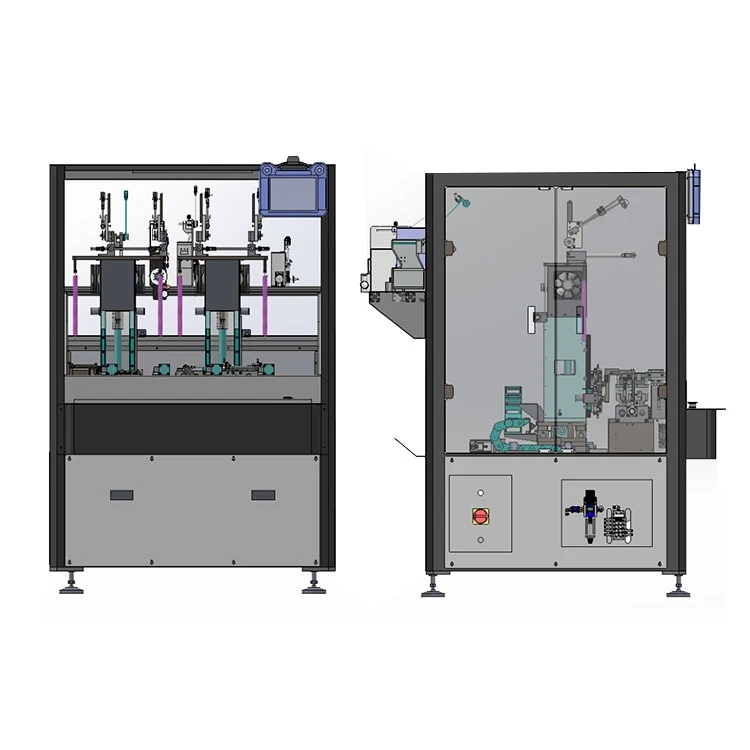
As a motor winding machine supplier, we offer a range of high-quality components and parts for our machines. Our Semi Auto Segment Winding Machine, Fan Motor Needle Winding Machine, and Rotor Winding Machine are all designed and built using the latest technology and highest quality components to ensure maximum reliability and performance.
3. Operator Training and Education
The operators of a motor winding machine play a crucial role in its reliability. Well-trained and educated operators are more likely to operate the machine correctly, follow the maintenance procedures, and identify and address potential issues in a timely manner. Here are some key aspects of operator training and education:
- Machine Operation: Provide comprehensive training on the operation of the motor winding machine, including how to set up the machine for different winding tasks, how to adjust the settings, and how to troubleshoot common problems.
- Safety Procedures: Train the operators on the safety procedures associated with the machine, including how to use personal protective equipment (PPE), how to avoid electrical hazards, and how to respond to emergencies.
- Maintenance Procedures: Educate the operators on the importance of regular maintenance and how to perform basic maintenance tasks, such as cleaning, lubrication, and inspection.
- Quality Control: Train the operators on the quality control procedures associated with the winding process, including how to check the winding quality, how to identify and reject defective windings, and how to document the quality control results.
In addition to initial training, it is also important to provide ongoing education and support to the operators. This can help to keep them up-to-date with the latest technology and best practices and ensure that they are able to operate the machine safely and efficiently.
4. Environmental Considerations
The environment in which a motor winding machine operates can also affect its reliability. Extreme temperatures, humidity, dust, and vibration can all have a negative impact on the machine's performance and longevity. Here are some environmental considerations to keep in mind:
- Temperature and Humidity: Most motor winding machines are designed to operate within a specific temperature and humidity range. Ensure that the machine is installed in an environment that meets these requirements. If necessary, use climate control systems, such as air conditioners or dehumidifiers, to maintain the appropriate temperature and humidity levels.
- Dust and Debris: Dust and debris can accumulate on the machine's components and cause damage. Install the machine in a clean environment and use dust collection systems to remove any dust or debris that may be generated during the winding process.
- Vibration: Excessive vibration can cause damage to the machine's components and affect its performance. Ensure that the machine is installed on a stable surface and use vibration isolation pads or mounts to reduce the vibration levels.
5. Monitoring and Diagnostic Tools
Using monitoring and diagnostic tools can help to improve the reliability of a motor winding machine by providing real-time information on its performance and condition. Here are some examples of monitoring and diagnostic tools that can be used:
- Sensor Technology: Install sensors on the machine to monitor various parameters, such as temperature, vibration, and current. The data collected by the sensors can be used to detect potential issues before they escalate into major problems.
- Data Logging and Analysis: Use data logging software to record the machine's performance data over time. Analyze the data to identify trends, patterns, and anomalies that may indicate potential issues.
- Remote Monitoring: Some motor winding machines are equipped with remote monitoring capabilities, which allow the machine to be monitored and controlled from a remote location. This can help to reduce downtime and maintenance costs by enabling quick response to any issues.
Conclusion
Improving the reliability of a motor winding machine requires a comprehensive approach that includes regular maintenance and inspection, the use of quality components and parts, operator training and education, environmental considerations, and the use of monitoring and diagnostic tools. By implementing these strategies and best practices, you can ensure that your motor winding machine operates at its optimal level, minimizes downtime, and provides consistent production quality.
If you are interested in learning more about our motor winding machines or have any questions about improving the reliability of your existing machine, please feel free to contact us. Our team of experts is always ready to assist you with your needs.

References
- "Motor Winding Machine Handbook" - A comprehensive guide to the operation, maintenance, and troubleshooting of motor winding machines.
- "Industrial Maintenance Best Practices" - A collection of best practices for maintaining industrial equipment, including motor winding machines.
- "Electrical Engineering Handbook" - A reference book on electrical engineering principles and practices, which includes information on motor winding technology.


