

A mechanical chain tensioner is a crucial component in many mechanical systems, especially those involving chains. As a leading supplier of Mechanical Tensioner, I'm excited to share in - depth knowledge about this essential device.
1. Definition and Basic Function
A mechanical chain tensioner is a device designed to maintain the proper tension in a chain drive system. In a chain - driven mechanism, such as those found in engines, conveyors, and industrial machinery, the chain is subject to wear, stretching, and vibration over time. If the chain tension is not properly maintained, it can lead to a variety of problems, including chain slippage, excessive noise, and premature wear of both the chain and the sprockets.
The primary function of a mechanical chain tensioner is to automatically adjust the tension of the chain as needed. It does this by applying a constant force to the chain, compensating for any changes in length due to wear or temperature variations. This ensures smooth and efficient operation of the chain drive system, reducing the risk of breakdowns and extending the service life of the components.
2. Working Principle
Mechanical chain tensioners typically operate based on a spring - loaded mechanism. The tensioner consists of a spring, a plunger, and a shoe or arm that contacts the chain. The spring provides the force necessary to keep the chain under tension. As the chain stretches or contracts, the spring expands or compresses, moving the plunger and the shoe to adjust the tension accordingly.
In some designs, the tensioner may also incorporate a ratchet or a locking mechanism. This helps to prevent the tensioner from losing its adjustment due to vibration or sudden changes in load. For example, in an engine timing chain system, the ratchet mechanism ensures that the tensioner only moves in one direction, maintaining the correct tension even under high - speed and high - load conditions.
3. Types of Mechanical Chain Tensioners
3.1 Manual Tensioners
Manual chain tensioners require periodic adjustment by an operator. These are often used in less critical applications or in situations where the chain is not subject to significant changes in length. Manual tensioners are relatively simple in design and cost - effective. However, they rely on the operator's attention to ensure proper tension, and incorrect adjustment can lead to problems.
3.2 Automatic Tensioners
Automatic mechanical chain tensioners, on the other hand, adjust the chain tension automatically without the need for manual intervention. They are commonly used in high - performance and critical applications, such as automotive engines and industrial machinery. Automatic tensioners can respond quickly to changes in chain length, providing consistent tension and improving the overall reliability of the system.
4. Advantages of Mechanical Chain Tensioners
4.1 Cost - Effectiveness
Compared to other types of tensioners, such as Magnetic Tensioner and Servo Tensioner, mechanical chain tensioners are generally more cost - effective. They have a simple design with fewer components, which reduces the manufacturing cost and makes them more accessible for a wide range of applications.
4.2 Reliability
Mechanical chain tensioners are known for their reliability. The spring - loaded mechanism is a well - proven technology that has been used for many years. With proper maintenance, a mechanical chain tensioner can provide long - term, trouble - free operation. They are also less sensitive to environmental factors such as temperature and humidity compared to some electronic or magnetic tensioners.
4.3 Simplicity
The simplicity of mechanical chain tensioners is another advantage. They do not require complex control systems or power sources, which makes them easy to install and maintain. This is particularly important in applications where space is limited or where a high degree of reliability is required without the need for sophisticated electronics.
5. Applications
5.1 Automotive Engines
One of the most common applications of mechanical chain tensioners is in automotive engines. In an engine, the timing chain is responsible for synchronizing the rotation of the crankshaft and the camshaft. A mechanical chain tensioner ensures that the timing chain remains properly tensioned, preventing misalignment and ensuring accurate engine timing. This is crucial for the engine's performance, fuel efficiency, and emissions control.
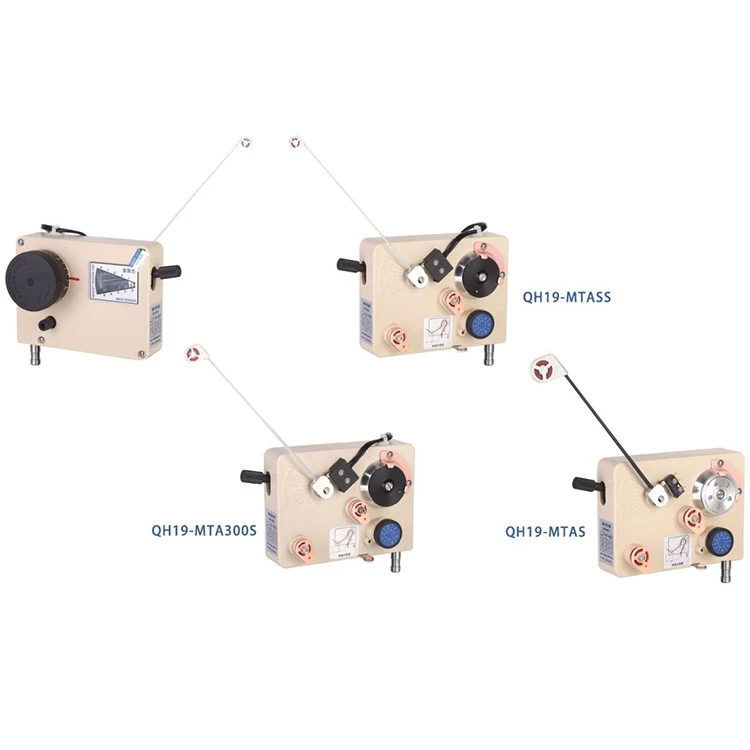

5.2 Industrial Machinery
In industrial machinery, such as conveyors, printing presses, and packaging machines, mechanical chain tensioners are used to maintain the tension in the drive chains. This helps to ensure smooth operation, reduce downtime, and improve the overall productivity of the equipment. They are also used in power transmission systems, where they help to transfer power efficiently from the motor to the driven components.
5.3 Bicycles
Bicycles also use mechanical chain tensioners, especially in single - speed or fixed - gear bikes. The tensioner helps to keep the chain tight, preventing it from falling off the sprockets and ensuring a smooth ride. It is a simple yet effective way to improve the performance and reliability of the bicycle's drivetrain.
6. Maintenance and Installation
Proper maintenance and installation are essential for the optimal performance of mechanical chain tensioners. During installation, it is important to ensure that the tensioner is correctly aligned with the chain and that the shoe or arm makes proper contact. The spring should be pre - loaded to the correct specification, and any locking or ratchet mechanisms should be checked for proper operation.
Regular maintenance of mechanical chain tensioners includes inspecting the components for wear, cleaning the tensioner to remove dirt and debris, and lubricating the moving parts as recommended. Over time, the spring may lose its elasticity, and the shoe or arm may wear out. In such cases, the worn components should be replaced to ensure continued proper operation.
7. Comparison with Other Tensioner Types
7.1 vs. Magnetic Tensioners
Magnetic tensioners use magnetic fields to control the tension of the chain. They offer precise control and can be adjusted electronically. However, they are generally more expensive than mechanical chain tensioners and may be more sensitive to environmental factors such as magnetic interference. Mechanical chain tensioners, on the other hand, are more robust and cost - effective, making them a better choice for many applications.
7.2 vs. Servo Tensioners
Servo tensioners are highly precise and can be programmed to adjust the tension based on specific parameters. They are often used in high - precision applications, such as in the aerospace and semiconductor industries. However, they are complex and expensive systems that require sophisticated control and power sources. Mechanical chain tensioners are simpler and more suitable for applications where high - precision control is not necessary.
8. Why Choose Our Mechanical Tensioners
As a trusted supplier of mechanical chain tensioners, we offer a wide range of products to meet the diverse needs of our customers. Our tensioners are manufactured using high - quality materials and advanced manufacturing processes, ensuring superior performance and reliability.
We have a team of experienced engineers and technicians who can provide technical support and advice on the selection and installation of our products. Whether you are looking for a tensioner for an automotive engine, an industrial machine, or a bicycle, we can help you find the right solution.
Our commitment to quality and customer satisfaction is unwavering. We offer competitive pricing, fast delivery, and excellent after - sales service. We understand the importance of reliable chain tensioners in your operations, and we are dedicated to providing you with the best products and services.
If you are interested in learning more about our Mechanical Tensioner products or would like to discuss your specific requirements, please feel free to contact us. We look forward to the opportunity to work with you and to help you improve the performance and reliability of your chain - driven systems.
References
- "Chain Drives: Selection, Installation, and Maintenance" by the American Chain Association.
- "Automotive Engine Design" by Richard Stone and John Crolla.
- "Industrial Machinery Handbook" by McGraw - Hill.


