

Hey there! As a supplier of Electrical Tensioners, I often get asked about what materials are used to make these nifty devices. Well, you're in the right place because I'm gonna break it down for you.
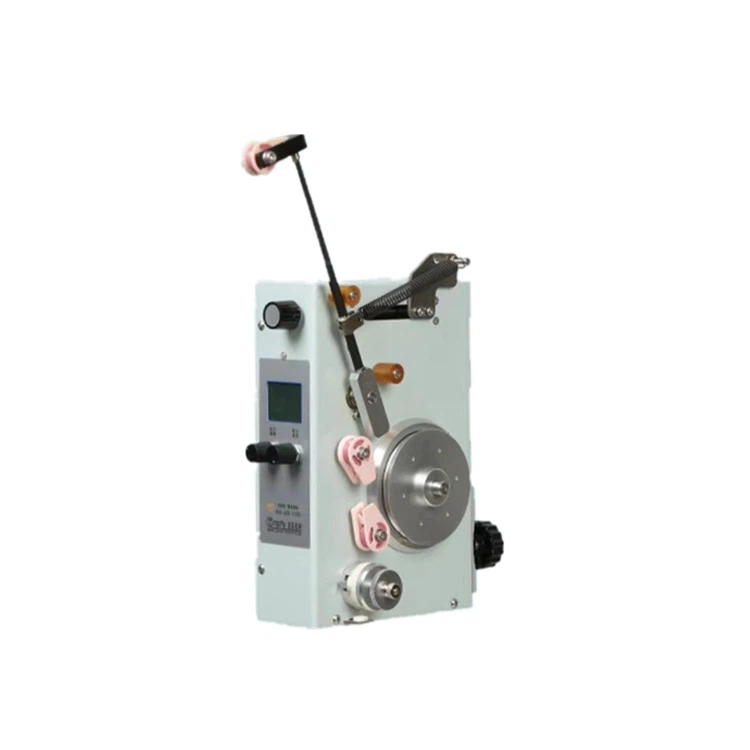
Let's start with the basics. An Electrical Tensioner is a crucial component in many industrial applications, especially in the winding process. It helps to maintain a consistent tension on the wire or cable being wound, ensuring a high - quality finished product.
Metal Components
One of the most common materials used in Electrical Tensioners is metal. Metals are chosen for their strength, durability, and conductivity.
Steel
Steel is a go - to material. It's strong and can withstand high levels of stress. In an Electrical Tensioner, steel is often used for the main frame and structural parts. The frame needs to be sturdy to hold all the other components in place and to resist any vibrations or shocks during operation. For example, the housing that encloses the electrical and mechanical parts is usually made of steel. It protects the internal components from external damage and provides a stable base for the tensioner to function.
Aluminum
Aluminum is another popular metal. It's lightweight compared to steel, which is a big advantage in applications where weight is a concern. At the same time, it still has good strength - to - weight ratio. Aluminum is often used for parts like pulleys and some of the moving components. The low weight of aluminum reduces the inertia of the moving parts, allowing for quicker response times and more precise tension control.
Copper
Copper is essential when it comes to the electrical aspects of the Electrical Tensioner. It's an excellent conductor of electricity. Copper wires are used to carry the electrical signals and power within the tensioner. The electrical circuits that control the tensioning mechanism rely on copper wires to transmit accurate signals and ensure smooth operation. Without good - quality copper wires, the electrical system of the tensioner could malfunction, leading to inconsistent tension control.
Plastic Components
Plastics also play an important role in the construction of Electrical Tensioners.
Polycarbonate
Polycarbonate is a tough and transparent plastic. It's used for parts like the covers or windows that allow operators to visually inspect the internal components of the tensioner. The transparency of polycarbonate makes it easy to check for any signs of wear or damage without having to open up the tensioner. It also has good impact resistance, so it can withstand minor bumps or knocks during normal use.
Nylon
Nylon is known for its low friction coefficient and high wear resistance. It's commonly used for bearings and bushings in the Electrical Tensioner. These parts are in constant contact with other moving components, and nylon helps to reduce friction and wear, extending the lifespan of the tensioner. Nylon also has good self - lubricating properties, which means less maintenance is required.
Electrical and Electronic Components
Now, let's talk about the components that make the Electrical Tensioner actually "electrical".
Printed Circuit Boards (PCBs)
PCBs are the brains of the Electrical Tensioner. They are made up of a non - conductive substrate, usually fiberglass, with copper traces printed on it. The PCBs hold all the electronic components, such as microcontrollers, resistors, and capacitors. The microcontroller is the key component that controls the tensioning process. It receives input signals from sensors and sends out commands to the actuators to adjust the tension as needed.

Sensors
Sensors are crucial for accurate tension control. There are different types of sensors used in Electrical Tensioners. For example, load cells are used to measure the actual tension on the wire or cable. They convert the mechanical force into an electrical signal, which is then sent to the microcontroller. Optical sensors can also be used to detect the position or movement of the wire, providing additional information for the tension control system.
Actuators
Actuators are responsible for adjusting the tension. Electric motors are commonly used as actuators in Electrical Tensioners. They can quickly and precisely change the tension based on the commands received from the control system. The motor drives a mechanical mechanism, such as a screw or a belt, to apply or release the tension on the wire.
Comparison with Other Tensioners
It's worth comparing Electrical Tensioners with Mechanical Tensioner and Servo Tensioner.
A Mechanical Tensioner relies mainly on mechanical springs and levers to control the tension. It doesn't have the same level of precision and flexibility as an Electrical Tensioner. The materials used in Mechanical Tensioners are mostly metals for the springs and levers, and there is little to no use of electronic components.
On the other hand, a Servo Tensioner is a more advanced version that uses servo motors for precise tension control. While it shares some similarities with the Electrical Tensioner in terms of using electrical and electronic components, the servo system adds an extra layer of sophistication. The materials used in Servo Tensioners are similar to those in Electrical Tensioners, but they may require higher - quality and more precise components to achieve the high - level of accuracy that servo control demands.
Why Choose Our Electrical Tensioners
As a supplier, we take pride in using high - quality materials in our Electrical Tensioners. We source the best - grade metals, plastics, and electrical components to ensure the reliability and performance of our products. Our Electrical Tensioners are designed to provide accurate and consistent tension control, which is essential for producing high - quality wound products.
Whether you're in the cable manufacturing industry, the automotive industry, or any other field that requires precise tension control, our Electrical Tensioners are a great choice. We understand that different applications have different requirements, and we can customize our tensioners to meet your specific needs.
If you're interested in learning more about our Electrical Tensioners or have any questions about the materials we use, don't hesitate to reach out. We're always here to help you find the right tensioning solution for your business. Let's start a conversation and see how we can work together to improve your production process.
References
- "Industrial Tensioning Systems Handbook"
- "Materials Science for Engineering Applications"
- Manufacturer's specifications of various Electrical Tensioner components.


