

Hey there! As a supplier of winding machine tensioners, I often get asked about how these nifty devices work. So, I thought I'd take a deep dive into the working principle of a magnetic winding machine tensioner in this blog post.
Let's start with the basics. A winding machine tensioner is a crucial component in any winding process. Whether you're winding wire for transformers, coils for motors, or even fiber optics, maintaining the right tension is super important. Too much tension can break the material, and too little can lead to loose windings, which just won't do the job right.
Now, a magnetic winding machine tensioner uses the power of magnetism to control the tension. It's a pretty clever setup that's based on some fundamental principles of physics.
How the Magnetic Magic Works
At the heart of a magnetic tensioner is a magnetic field. When the winding material, like a wire or a fiber, passes through the tensioner, the magnetic field exerts a force on it. This force creates the tension that we need to keep the winding tight and consistent.
The tensioner usually has a set of magnets and a mechanism to adjust the strength of the magnetic field. By changing the strength of the field, we can control the amount of tension applied to the winding material. It's like turning a dial to get just the right amount of force.

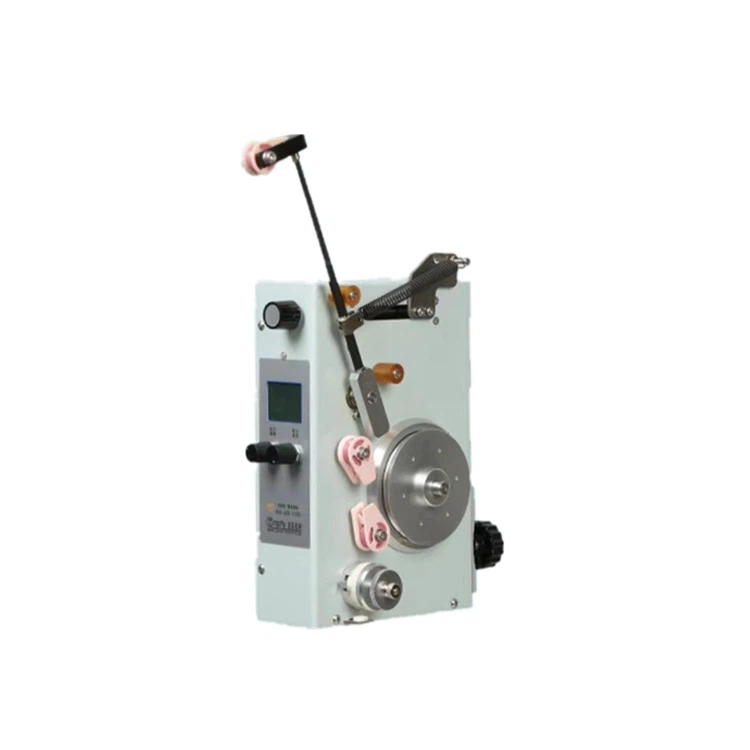
There are two main types of magnetic tensioners: passive and active.
Passive Magnetic Tensioners
Passive magnetic tensioners are the simpler of the two. They rely on the inherent properties of the magnets to create a fixed level of tension. The strength of the magnetic field is determined by the type and arrangement of the magnets, and it doesn't change during the winding process.
These tensioners are great for applications where the tension requirements are relatively stable. For example, if you're winding a coil with a consistent wire diameter and speed, a passive magnetic tensioner can do the job just fine. They're also more affordable and easier to maintain compared to active tensioners.
Active Magnetic Tensioners
Active magnetic tensioners, on the other hand, are a bit more sophisticated. They use sensors and a control system to adjust the magnetic field in real-time. This allows them to respond to changes in the winding process, such as variations in wire speed or diameter.
For instance, if the wire starts to move faster, the tensioner can increase the magnetic field strength to maintain the same level of tension. Conversely, if the wire slows down, the tensioner can reduce the field strength to prevent over-tensioning.
Active tensioners are ideal for applications where the tension requirements are more complex and dynamic. They're commonly used in high-precision winding processes, like those found in the aerospace and electronics industries.
Components of a Magnetic Winding Machine Tensioner
Let's take a closer look at the key components of a magnetic winding machine tensioner:
Magnets
As I mentioned earlier, magnets are the heart of the tensioner. They create the magnetic field that applies the tension to the winding material. The type of magnets used can vary, but neodymium magnets are a popular choice because they're very strong and can create a powerful magnetic field.
Rotor
The rotor is a rotating part that's located inside the tensioner. It's usually made of a magnetic material and is designed to interact with the magnetic field. As the winding material passes through the tensioner, it causes the rotor to spin. The speed of the rotor is related to the tension applied to the material.
Sensor
In an active magnetic tensioner, a sensor is used to measure the tension of the winding material. This sensor can be a load cell, a strain gauge, or some other type of device. The sensor sends a signal to the control system, which then adjusts the magnetic field strength as needed.
Control System
The control system is the brain of the active tensioner. It receives the signal from the sensor and uses it to calculate the appropriate magnetic field strength. It then sends a signal to the magnet to adjust the field accordingly.
Advantages of Magnetic Winding Machine Tensioners
There are several advantages to using magnetic winding machine tensioners:
Precise Tension Control
Magnetic tensioners offer very precise control over the tension of the winding material. This is especially important in applications where the quality of the winding is critical, such as in the production of high-performance motors and transformers.
Low Maintenance
Compared to other types of tensioners, magnetic tensioners are relatively low maintenance. They don't have any mechanical parts that wear out quickly, and the magnets can last for a long time if they're properly cared for.
High-Speed Operation
Magnetic tensioners can operate at high speeds without losing their accuracy. This makes them suitable for high-volume production environments where speed is essential.
Versatility
Magnetic tensioners can be used with a wide range of winding materials, including wire, fiber optics, and tape. They can also be adjusted to work with different diameters and types of materials.
Applications of Magnetic Winding Machine Tensioners
Magnetic winding machine tensioners are used in a variety of industries, including:
Electrical and Electronics
In the electrical and electronics industry, magnetic tensioners are used to wind coils for transformers, motors, and inductors. They help to ensure the quality and performance of these components by maintaining the right tension during the winding process.
Aerospace
In the aerospace industry, magnetic tensioners are used to wind fiber optics for communication systems and sensors. The precise tension control provided by these tensioners is crucial for the reliability and performance of these critical components.
Automotive
In the automotive industry, magnetic tensioners are used to wind wire for ignition coils, solenoids, and other electrical components. They help to improve the efficiency and durability of these parts.
Related Products
If you're interested in learning more about winding machine tensioners, here are some related products that you might find useful:
- Electrical Tensioner: This type of tensioner uses an electrical signal to control the tension. It's often used in applications where precise tension control is required.
- Winding Tensioner Meter: A winding tensioner meter is used to measure the tension of the winding material. It can be used in conjunction with a tensioner to ensure that the tension is within the desired range.
- Mechanical Tensioner: Mechanical tensioners use mechanical means, such as springs or weights, to create the tension. They're a simpler and more affordable option compared to magnetic tensioners.
Conclusion
In conclusion, a magnetic winding machine tensioner is a powerful and versatile tool for controlling the tension of winding materials. Whether you're in the electrical, aerospace, or automotive industry, these tensioners can help you improve the quality and efficiency of your winding process.
If you're looking for a reliable supplier of winding machine tensioners, look no further. We offer a wide range of magnetic tensioners that are designed to meet the needs of different applications. Our products are known for their high quality, precision, and durability.
If you have any questions or would like to discuss your specific requirements, please don't hesitate to contact us. We'd be happy to help you find the right tensioner for your needs and guide you through the purchasing process. Let's work together to take your winding operations to the next level!
References
- "Winding Technology Handbook" by John W. McDonald
- "Magnetic Fields and Their Applications" by David J. Griffiths


