

Hey there! As a supplier of servo tensioners, I often get asked about the temperature range in which these nifty devices can operate. Well, let's dive right into it and break down this important aspect of servo tensioners.
First off, what exactly is a servo tensioner? A servo tensioner is a crucial component in various industries, especially those involved in winding processes. It helps maintain a consistent and precise tension on materials like wires, cables, and fibers during winding operations. This ensures the quality and integrity of the final product, whether it's a transformer, a motor, or a high - tech electronic device.
Now, let's talk about the temperature range. The operating temperature range of a servo tensioner can vary depending on several factors, such as the design, the materials used in its construction, and the type of components it houses. Generally speaking, most standard servo tensioners can operate within a temperature range of about - 20°C to 60°C (- 4°F to 140°F).
Why is this temperature range so important? Well, temperature can have a significant impact on the performance and lifespan of a servo tensioner. At extremely low temperatures, the lubricants used in the moving parts of the tensioner can thicken. This increased viscosity can make the parts move less smoothly, leading to higher friction and wear. It might also cause the electrical components to become more brittle, increasing the risk of cracking or malfunction.
On the other hand, high temperatures can be just as problematic. When it gets too hot, the electronic components in the servo tensioner can overheat. This can lead to a decrease in their efficiency and even permanent damage. For example, the motor in the tensioner might draw more current to maintain its performance, which can cause it to overheat further and potentially burn out. Also, the mechanical parts can expand due to the heat, which can affect the alignment and precision of the tensioner.
However, it's important to note that not all servo tensioners are created equal. Some high - end models are designed to operate in more extreme temperature conditions. These specialized tensioners can handle temperatures as low as - 40°C (- 40°F) or as high as 80°C (176°F). These are usually used in industries where the operating environment is harsh, such as aerospace or automotive manufacturing.
If you're in an industry where the temperature conditions are outside the standard range, it's crucial to choose a servo tensioner that can handle those temperatures. You might want to consider options like the Winding Tensioner Meter, which is designed to provide accurate tension measurements even in challenging environments.
Another factor to consider is the way the servo tensioner is installed. If it's installed in an enclosed space with poor ventilation, the temperature inside can quickly rise, even if the ambient temperature is within the acceptable range. In such cases, you might need to install additional cooling or heating systems to keep the tensioner within its operating temperature range.
There are also different types of tensioners, such as Electrical Tensioner and Magnetic Tensioner. Each type might have slightly different temperature requirements. Electrical tensioners rely on electrical components, so they are more sensitive to temperature changes that can affect the electrical conductivity and performance of these components. Magnetic tensioners, on the other hand, use magnetic fields to control the tension, and while they are generally more robust, extreme temperatures can still affect the magnetic properties of the materials used.
When selecting a servo tensioner, it's always a good idea to consult with the manufacturer. They can provide you with detailed information about the temperature range and other specifications of their products. They can also offer advice on how to install and maintain the tensioner to ensure optimal performance in your specific operating environment.
If you're in the market for a servo tensioner, we're here to help. As a supplier, we have a wide range of servo tensioners that can meet different temperature requirements and industry needs. Whether you're looking for a standard tensioner for a typical winding application or a specialized one for a harsh environment, we've got you covered.
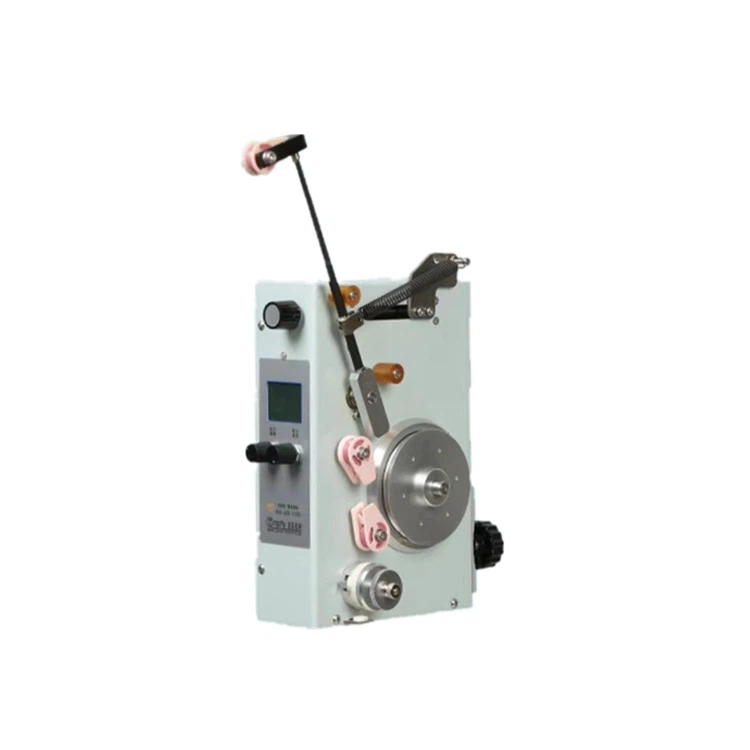

So, if you're interested in learning more about our servo tensioners or have any questions about their temperature range and performance, don't hesitate to reach out. We're always happy to have a chat and help you find the perfect solution for your business. Let's work together to ensure your winding processes run smoothly and efficiently.
References:
- Industry standards for servo tensioner manufacturing
- Technical manuals from leading servo tensioner manufacturers
- Research papers on the effects of temperature on mechanical and electrical components


