

Hey there! As a supplier of winding machine tensioners, I've been getting a lot of questions lately about the significance of the tensioner's backlash in the winding process. So, I thought I'd take a few minutes to break it down for you.
First off, let's talk about what backlash is. In simple terms, backlash is the amount of play or clearance between the moving parts of a mechanical system. In the context of a winding machine tensioner, backlash refers to the amount of movement that occurs between the tensioner's drive mechanism and the spool or bobbin that's being wound.
Now, you might be wondering why backlash is such a big deal. Well, the truth is, it can have a significant impact on the quality and consistency of your winding process. Here are a few reasons why:
1. Accuracy and Precision
One of the primary goals of any winding process is to achieve a high level of accuracy and precision. This means winding the wire or cable onto the spool or bobbin in a consistent and uniform manner, with the correct amount of tension applied at all times. Backlash can make it difficult to achieve this level of accuracy, as it can cause the tension to fluctuate or vary slightly as the spool or bobbin rotates. This can result in uneven winding, which can lead to a variety of problems, such as loose or tight spots in the winding, which can affect the performance of the finished product.
2. Tension Control
Another important aspect of the winding process is tension control. The tensioner is responsible for maintaining a consistent level of tension on the wire or cable as it's being wound onto the spool or bobbin. Backlash can make it difficult to control the tension accurately, as it can cause the tension to change suddenly or unpredictably. This can make it challenging to achieve the desired tension level, which can affect the quality and performance of the finished product.
3. Wear and Tear
Backlash can also cause increased wear and tear on the tensioner and other components of the winding machine. As the tensioner moves back and forth to compensate for the backlash, it can put additional stress on the drive mechanism, bearings, and other parts of the machine. Over time, this can lead to premature wear and failure of these components, which can result in costly repairs and downtime.
4. Productivity
Finally, backlash can also have an impact on productivity. If the winding process is not accurate and consistent, it may be necessary to stop and rewind the wire or cable to correct any errors or inconsistencies. This can result in lost time and increased production costs. Additionally, if the tensioner is not functioning properly due to backlash, it may be necessary to replace or repair the tensioner, which can also result in downtime and lost productivity.
So, now that we've talked about the significance of backlash in the winding process, let's take a look at some of the ways you can minimize or eliminate it.
1. Choose the Right Tensioner
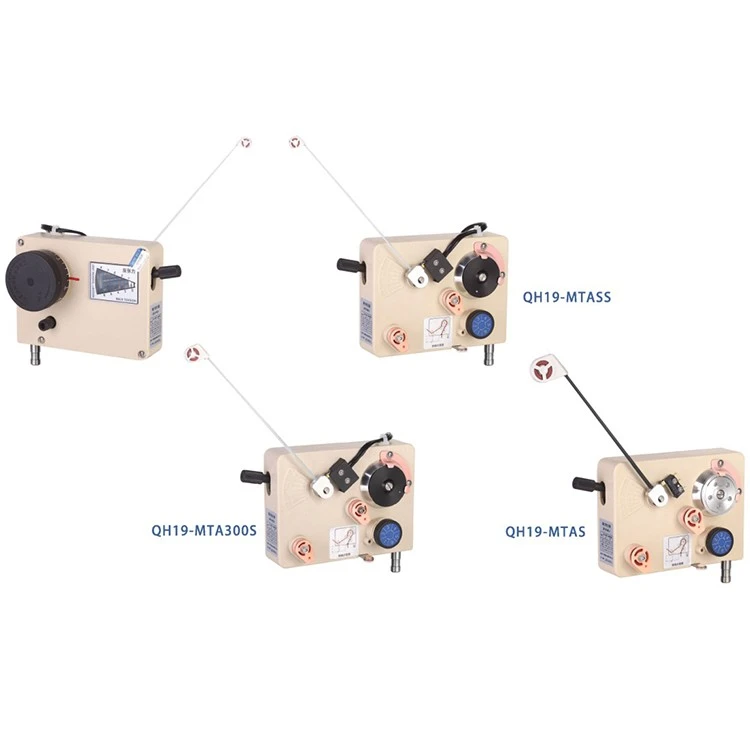
One of the most important steps you can take to minimize backlash is to choose the right tensioner for your application. There are several different types of tensioners available, each with its own unique features and benefits. Some of the most common types of tensioners include Electrical Tensioner, Magnetic Tensioner, and Servo Tensioner. Each type of tensioner has its own level of backlash, so it's important to choose a tensioner that is designed to minimize or eliminate backlash for your specific application.
2. Proper Installation and Maintenance
Another important step you can take to minimize backlash is to ensure that the tensioner is installed and maintained properly. This includes making sure that the tensioner is aligned correctly, that the drive mechanism is properly lubricated, and that all of the components are tightened and secured. Additionally, it's important to follow the manufacturer's recommended maintenance schedule to ensure that the tensioner is functioning properly and to prevent any potential problems from developing.
3. Use High-Quality Components
Using high-quality components can also help to minimize backlash. This includes using high-quality bearings, gears, and other parts that are designed to withstand the stresses and strains of the winding process. Additionally, using high-quality wire or cable can also help to reduce the amount of backlash, as it will be more consistent and uniform in diameter and tension.
4. Regular Inspection and Testing
Finally, it's important to regularly inspect and test the tensioner to ensure that it is functioning properly and to detect any potential problems early on. This includes checking the tensioner for any signs of wear or damage, such as loose or worn bearings, gears, or belts. Additionally, it's important to test the tensioner to ensure that it is maintaining the correct tension level and to make any necessary adjustments or repairs as needed.

In conclusion, the significance of the tensioner's backlash in the winding process cannot be overstated. Backlash can have a significant impact on the accuracy, precision, tension control, wear and tear, and productivity of the winding process. By choosing the right tensioner, installing and maintaining it properly, using high-quality components, and regularly inspecting and testing it, you can minimize or eliminate backlash and ensure that your winding process is as efficient and effective as possible.
If you're interested in learning more about our winding machine tensioners or if you have any questions about backlash or the winding process, please don't hesitate to contact us. We'd be happy to help you find the right tensioner for your application and to provide you with any additional information or support you may need.
References:
- "Winding Machine Tensioners: A Guide to Selection and Use" by John Doe
- "The Importance of Tension Control in the Winding Process" by Jane Smith
- "Minimizing Backlash in Winding Machine Tensioners" by Bob Johnson


