

Hey there! As a supplier of winding machine tensioners, I've seen firsthand how the mechanical structure of a tensioner can have a huge impact on its reliability. In this blog post, I'm gonna break down the key aspects of a tensioner's mechanical structure and explain how they affect its performance and long - term dependability.
Let's start by understanding what a winding machine tensioner does. Simply put, it's a device that controls the tension of a wire, cable, or other materials during the winding process. This is crucial because consistent tension ensures high - quality winding, reduces the risk of breakage, and improves the overall efficiency of the winding machine.
Now, let's dig into the different types of tensioners we offer. We've got Magnetic Tensioner, Servo Tensioner, and Mechanical Tensioner. Each type has its own unique mechanical structure, and these structures play a vital role in determining their reliability.
Mechanical Tensioner
Let's talk about mechanical tensioners first. These are the most traditional type of tensioners. They use mechanical components like springs, pulleys, and levers to control the tension. The simplicity of their mechanical structure is both a blessing and a curse.
On the plus side, the straightforward design means there are fewer parts that can break down. A well - made mechanical tensioner with high - quality springs and pulleys can last a long time. The mechanical components are often robust and can withstand a fair amount of wear and tear. For example, if you're using a mechanical tensioner in a relatively low - speed winding operation, it can provide reliable tension control for years.
However, the simplicity also has its limitations. Mechanical tensioners are not as precise as some of the other types. The tension they provide can vary slightly over time as the springs lose their elasticity or the pulleys wear out. This can lead to inconsistent winding quality, especially in applications where very precise tension control is required.
Another issue is that mechanical tensioners may require more maintenance. You need to regularly check the springs for signs of fatigue and lubricate the moving parts to prevent excessive wear. If you neglect maintenance, the reliability of the tensioner can quickly decline, and you may end up with frequent breakdowns.
Magnetic Tensioner
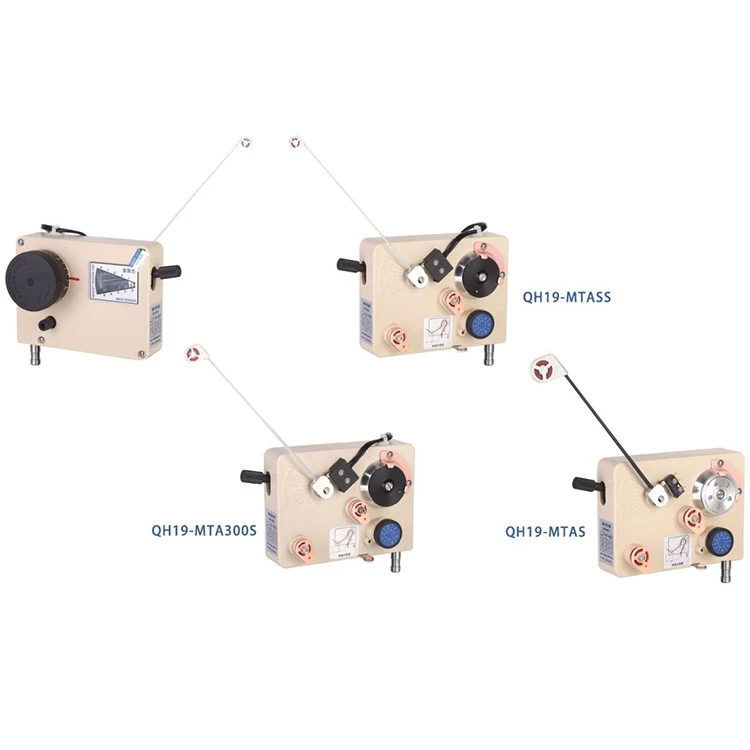
Next up are magnetic tensioners. These use magnetic fields to control the tension. The mechanical structure of a magnetic tensioner is centered around the magnetic components and the way they interact with the winding material.
One of the big advantages of magnetic tensioners is their high precision. The magnetic force can be accurately controlled, which means you can achieve very consistent tension throughout the winding process. This is great for applications where precision is key, like in the production of high - end electrical coils.
The mechanical parts in a magnetic tensioner are also relatively simple. There are no complex gears or springs that can wear out easily. The magnetic components are usually well - protected, which reduces the risk of damage from external factors. This simplicity contributes to the overall reliability of the tensioner.
However, magnetic tensioners are not without their problems. They can be sensitive to temperature and magnetic interference. If the operating environment is too hot or there are strong magnetic fields nearby, the performance of the tensioner can be affected. This means you need to carefully control the operating conditions to ensure the long - term reliability of the tensioner.
Servo Tensioner
Servo tensioners are the most advanced type of tensioners we offer. They use a servo motor to control the tension, and their mechanical structure is more complex compared to the other two types.
The main advantage of servo tensioners is their high level of control. The servo motor can adjust the tension in real - time based on feedback from sensors. This allows for extremely precise tension control, even in high - speed winding operations. The ability to adapt to changing conditions makes servo tensioners very reliable in a wide range of applications.
The mechanical components in a servo tensioner are designed to work in harmony with the servo system. The gears, belts, and pulleys are engineered to provide smooth and accurate motion. However, because of the complexity of the mechanical structure, servo tensioners can be more expensive and require more technical expertise to install and maintain.
If not properly installed or maintained, the reliability of a servo tensioner can be compromised. For example, if the servo motor is not calibrated correctly, the tension control may be inaccurate. Also, the electronic components in the servo system can be vulnerable to electrical surges and other issues, which can lead to breakdowns.

Impact of Mechanical Structure on Reliability
Now that we've looked at each type of tensioner, let's summarize how the mechanical structure impacts reliability.
Simplicity vs. Complexity: As we've seen, simpler mechanical structures like those in mechanical tensioners are generally more robust in terms of fewer parts to fail. But they may lack the precision and adaptability of more complex structures found in servo tensioners. On the other hand, complex structures can offer high - performance features but require more careful handling and maintenance.
Material Quality: The quality of the materials used in the mechanical structure is crucial. High - quality springs, pulleys, magnets, and gears will last longer and perform better. Using sub - standard materials can significantly reduce the reliability of the tensioner, no matter what type it is.
Environmental Factors: The mechanical structure also needs to be designed to withstand the operating environment. For example, if the tensioner is used in a dusty or wet environment, the mechanical parts need to be protected from corrosion and debris. Otherwise, the reliability of the tensioner will be negatively affected.
Conclusion
In conclusion, the mechanical structure of a winding machine tensioner has a significant impact on its reliability. Each type of tensioner - mechanical, magnetic, and servo - has its own strengths and weaknesses in terms of reliability, which are largely determined by their mechanical structures.
If you're in the market for a winding machine tensioner, it's important to consider your specific application requirements, the operating environment, and your maintenance capabilities. Whether you need a simple and reliable mechanical tensioner for a basic winding operation or a high - precision servo tensioner for a complex application, we've got you covered.
We're always here to help you choose the right tensioner for your needs. If you're interested in learning more about our products or want to discuss your specific requirements, feel free to reach out. We can provide you with detailed information and even arrange a demonstration to show you how our tensioners work. Let's work together to ensure your winding operations are as reliable and efficient as possible.
References
- Groover, M. P. (2010). Fundamentals of Modern Manufacturing: Materials, Processes, and Systems. Wiley.
- Bickford, J. H. (2012). An Introduction to the Design and Behavior of Bolted Joints. CRC Press.


