

In the dynamic landscape of modern manufacturing, the pursuit of enhanced work efficiency stands as a cornerstone for businesses aiming to remain competitive. One technological marvel that has significantly contributed to this endeavor is the Paper Insert Machine. As a leading supplier of this innovative equipment, I've witnessed firsthand how it transforms the manufacturing process. In this blog, I'll delve into the various ways a Paper Insert Machine can boost work efficiency, offering insights that are invaluable to manufacturers across industries.
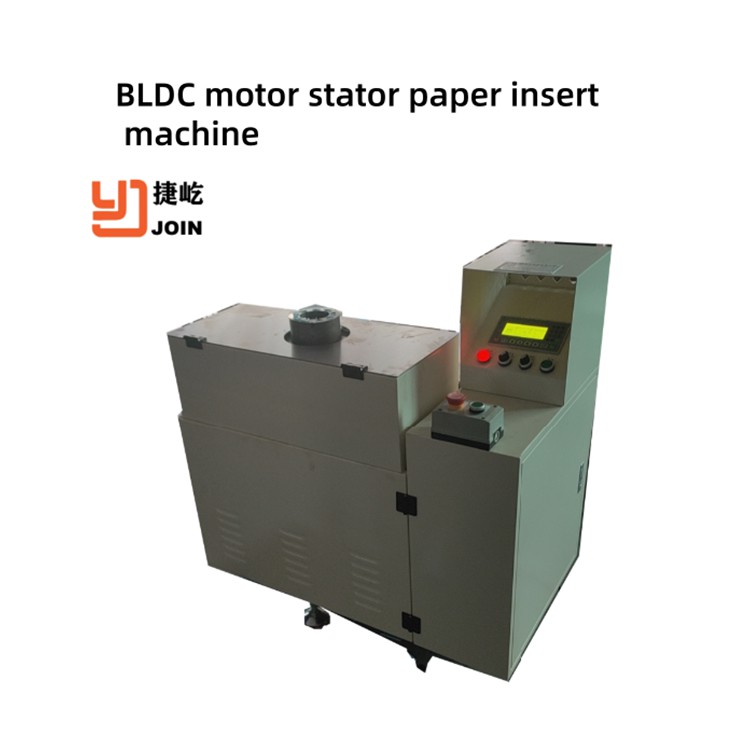

Precision and Consistency
One of the most significant advantages of a Paper Insert Machine is its ability to deliver unparalleled precision and consistency. Manual paper insertion is prone to human error, which can lead to inconsistent placement, misaligned inserts, and even damaged products. These errors not only compromise the quality of the final product but also result in wasted time and resources as defective items need to be reworked or discarded.
In contrast, a Paper Insert Machine is engineered to perform with pinpoint accuracy. Advanced sensors and control systems ensure that each paper insert is placed precisely where it needs to be, every time. This level of precision reduces the likelihood of errors and rejections, streamlining the production process and saving valuable time. For example, in the packaging industry, a Paper Insert Machine can insert product manuals, promotional materials, or warranty cards into boxes with exacting precision, ensuring a professional and consistent presentation.
High-Speed Operation
Time is money in the manufacturing world, and a Paper Insert Machine can significantly increase the speed of the paper insertion process. Manual insertion is a labor-intensive and time-consuming task, especially when dealing with large volumes of products. Workers can only insert a limited number of papers per minute, and fatigue can further slow down the process over time.
A Paper Insert Machine, on the other hand, can operate at much higher speeds. Depending on the model and configuration, these machines can insert dozens or even hundreds of papers per minute. This high-speed operation allows manufacturers to meet tight production deadlines, increase output, and handle large orders more efficiently. For instance, in the publishing industry, a Paper Insert Machine can quickly insert supplements, posters, or advertising inserts into magazines, enabling publishers to get their products to market faster.
Automation and Labor Savings
Automation is a key driver of efficiency in modern manufacturing, and a Paper Insert Machine is a prime example of this trend. By automating the paper insertion process, businesses can reduce their reliance on manual labor, which can be costly, error-prone, and subject to human limitations.
With a Paper Insert Machine, the entire paper insertion process is automated, from feeding the papers to placing them into the products. This eliminates the need for manual handling of papers, reducing the risk of injuries and improving workplace safety. Additionally, automation allows businesses to reallocate their human resources to more value-added tasks, such as quality control, product development, or customer service.
For example, in the electronics industry, a Paper Insert Machine can insert user manuals, safety instructions, and warranty cards into electronic devices during the assembly process. This not only saves time and labor but also ensures that all necessary documentation is included with each product, enhancing customer satisfaction.
Flexibility and Adaptability
In today's fast-paced market, businesses need to be able to quickly adapt to changing customer demands and product specifications. A Paper Insert Machine offers a high degree of flexibility and adaptability, allowing manufacturers to easily adjust the insertion process to accommodate different paper sizes, shapes, and types of products.
Many Paper Insert Machines are equipped with adjustable settings and modular components, which can be easily customized to meet specific requirements. This means that businesses can use the same machine to insert different types of papers into a variety of products, without having to invest in multiple machines or make significant modifications to the production line.
For instance, in the food and beverage industry, a Paper Insert Machine can be used to insert ingredient labels, nutrition information, and promotional materials into different types of packaging, such as boxes, bags, or cans. The machine can be adjusted to handle various paper sizes and thicknesses, ensuring that the inserts fit perfectly into each package.
Integrated Systems and Compatibility
To further enhance work efficiency, a Paper Insert Machine can be integrated into existing production lines and automated systems. This seamless integration allows for a more streamlined and efficient manufacturing process, reducing bottlenecks and improving overall productivity.
Many Paper Insert Machines are designed to be compatible with other types of equipment, such as conveyors, printers, and packaging machines. This means that they can be easily incorporated into a fully automated production line, where the papers can be printed, cut, and inserted into the products in a continuous and efficient manner.
For example, in the automotive industry, a Paper Insert Machine can be integrated with a conveyor system and a printer to insert product brochures, maintenance schedules, and safety information into car manuals during the assembly process. This integrated system ensures that the inserts are printed and inserted in real-time, eliminating the need for manual handling and reducing the risk of errors.
Quality Control and Traceability
In addition to improving efficiency, a Paper Insert Machine can also enhance quality control and traceability in the manufacturing process. By automating the paper insertion process, businesses can ensure that each product receives the correct inserts and that the inserts are placed accurately and securely.
Many Paper Insert Machines are equipped with advanced sensors and monitoring systems that can detect and reject any defective or misaligned inserts. This helps to maintain a high level of product quality and reduces the likelihood of customer complaints. Additionally, the machines can be programmed to record and track information about each insert, such as the type of paper, the date and time of insertion, and the product serial number. This traceability information can be used for quality control purposes, as well as for regulatory compliance and product recall management.
For example, in the pharmaceutical industry, a Paper Insert Machine can be used to insert patient information leaflets, dosage instructions, and warning labels into medicine packages. The machine can be programmed to verify the accuracy of the inserts and to record detailed information about each insertion, ensuring that the products meet the highest standards of quality and safety.
Conclusion
In conclusion, a Paper Insert Machine offers a multitude of benefits that can significantly improve work efficiency in the manufacturing process. From precision and consistency to high-speed operation, automation, flexibility, integrated systems, and quality control, these machines are revolutionizing the way businesses insert papers into their products.
As a Paper Insert Machine supplier, I'm committed to providing our customers with the latest and most advanced technology to help them achieve their efficiency goals. Our machines are designed to be reliable, easy to operate, and customizable to meet the specific needs of each customer.
If you're looking to improve the efficiency of your paper insertion process, I encourage you to contact us to learn more about our Paper Insert Machine solutions. We also offer Rotor Magnet Insert Machine and Servo Assembly Machine for your motor automation and insulation needs. Our team of experts will be happy to assist you in finding the right equipment for your business and to provide you with the support and training you need to get the most out of your investment.
References
- Smith, J. (2020). The Impact of Automation on Manufacturing Efficiency. Journal of Manufacturing Technology Management, 31(2), 189-205.
- Johnson, A. (2019). Precision and Quality Control in Paper Insertion Processes. International Journal of Production Research, 57(15), 4713-4728.
- Brown, C. (2018). High-Speed Manufacturing: Strategies for Improving Productivity. Manufacturing Engineering, 100(3), 32-37.


