

Magnetic tensioners are essential components in various industrial applications, especially in wire winding and cable handling processes. They provide precise tension control, ensuring the quality and consistency of the final product. However, like any mechanical device, magnetic tensioners require regular cleaning and maintenance to function optimally. In this blog post, I'll share some practical tips on how to clean a magnetic tensioner, drawing on my experience as a magnetic tensioner supplier.
Understanding the Magnetic Tensioner
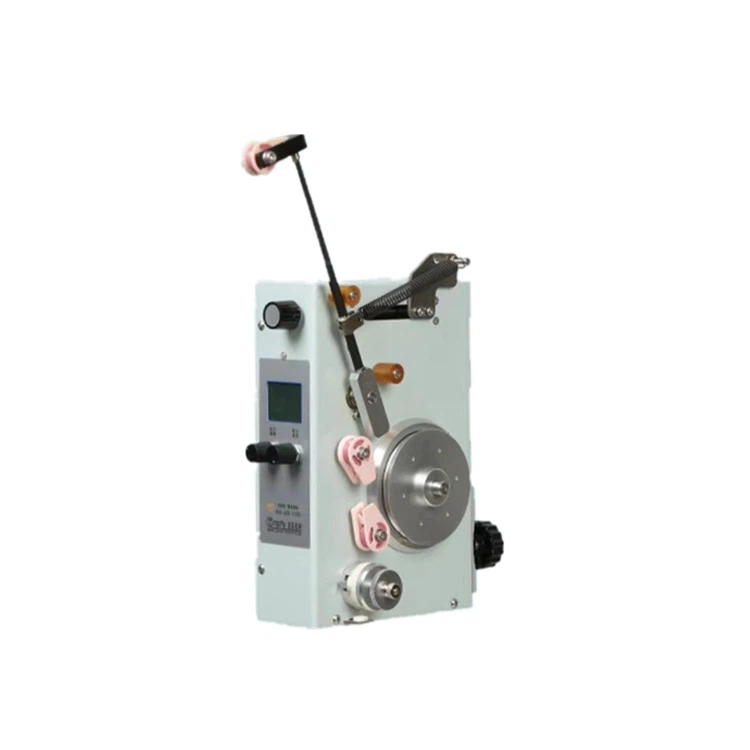
Before we dive into the cleaning process, it's important to understand the basic components of a magnetic tensioner. A typical magnetic tensioner consists of a magnetic field generator, a tensioning mechanism, and a housing. The magnetic field generator creates a magnetic force that controls the tension of the wire or cable passing through the tensioner. The tensioning mechanism adjusts the tension based on the magnetic force, while the housing protects the internal components from dust, debris, and other contaminants.
Preparing for Cleaning
Before you start cleaning the magnetic tensioner, it's important to take some safety precautions. First, make sure the tensioner is turned off and disconnected from the power source to avoid any electrical hazards. Next, gather the necessary cleaning tools and materials, such as a soft brush, a clean cloth, a mild detergent, and compressed air.
Step-by-Step Cleaning Process
Step 1: Remove the Housing
The first step in cleaning a magnetic tensioner is to remove the housing. This will give you access to the internal components for thorough cleaning. Use a screwdriver to remove the screws holding the housing in place, and carefully lift the housing off the tensioner.
Step 2: Clean the External Surfaces
Once the housing is removed, use a soft brush to gently remove any dust, dirt, or debris from the external surfaces of the tensioner. Pay special attention to the areas around the tensioning mechanism and the magnetic field generator. You can also use a clean cloth dampened with a mild detergent to wipe down the surfaces.
Step 3: Clean the Internal Components
After cleaning the external surfaces, it's time to clean the internal components of the tensioner. Use a soft brush to remove any dust or debris from the tensioning mechanism and the magnetic field generator. You can also use compressed air to blow out any hard-to-reach areas.
Step 4: Inspect the Components
While cleaning the internal components, take the time to inspect them for any signs of wear or damage. Look for cracks, chips, or other defects in the tensioning mechanism and the magnetic field generator. If you notice any issues, it's important to replace the damaged components as soon as possible to prevent further damage to the tensioner.
Step 5: Reassemble the Tensioner
Once you have cleaned and inspected the internal components, it's time to reassemble the tensioner. Carefully place the internal components back into the housing, and use a screwdriver to secure the housing in place. Make sure all the screws are tightened properly to prevent any loose parts.
Step 6: Test the Tensioner
After reassembling the tensioner, it's important to test it to make sure it's working properly. Connect the tensioner to the power source and turn it on. Check the tension settings and make sure the tensioner is applying the correct amount of tension to the wire or cable. If you notice any issues, such as inconsistent tension or excessive noise, it's important to troubleshoot the problem and make any necessary adjustments.

Maintenance Tips
In addition to regular cleaning, there are several maintenance tips you can follow to keep your magnetic tensioner in good working condition. Here are some tips to keep in mind:
- Lubrication: Some magnetic tensioners require lubrication to ensure smooth operation. Check the manufacturer's instructions to see if your tensioner needs lubrication, and use the recommended lubricant.
- Calibration: Over time, the tension settings of a magnetic tensioner may drift. It's important to calibrate the tensioner regularly to ensure accurate tension control.
- Storage: When not in use, store the magnetic tensioner in a clean, dry place to prevent dust, dirt, and moisture from accumulating.
- Regular Inspections: Conduct regular inspections of the tensioner to check for any signs of wear or damage. Replace any worn or damaged components as soon as possible to prevent further damage to the tensioner.
Types of Tensioners
As a magnetic tensioner supplier, we also offer other types of tensioners to meet the diverse needs of our customers. Here are some of the other types of tensioners we offer:
- Mechanical Tensioner: Mechanical tensioners use mechanical components, such as springs and levers, to control the tension of the wire or cable. They are simple and reliable, making them a popular choice for many applications.
- Electrical Tensioner: Electrical tensioners use electrical components, such as motors and sensors, to control the tension of the wire or cable. They offer precise tension control and can be easily integrated into automated systems.
- Servo Tensioner: Servo tensioners use servo motors to control the tension of the wire or cable. They offer high precision and fast response times, making them ideal for applications that require accurate tension control.
Contact Us for Your Tensioner Needs
If you're in the market for a magnetic tensioner or any other type of tensioner, we'd love to hear from you. As a leading supplier of tensioners, we offer a wide range of high-quality products at competitive prices. Our team of experts can help you choose the right tensioner for your specific application and provide you with the support and service you need to keep your equipment running smoothly.
Contact us today to learn more about our products and services, and to discuss your tensioner needs. We look forward to working with you!
References
- Manufacturer's instructions for magnetic tensioners
- Industry best practices for tensioner cleaning and maintenance


