

Adjusting the sensitivity of a servo tensioner is a crucial task that significantly impacts the performance and efficiency of various industrial processes. As a leading Servo Tensioner supplier, I understand the importance of fine - tuning this equipment to meet the specific needs of different applications. In this blog, I will share some comprehensive insights and practical steps on how to adjust the sensitivity of a servo tensioner.
Understanding Servo Tensioners
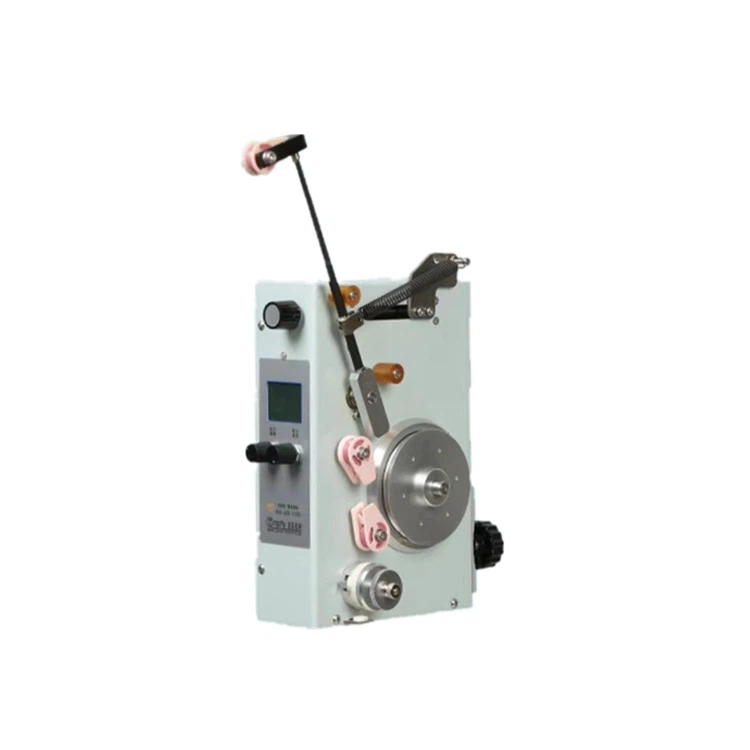
Before delving into the adjustment process, it's essential to have a basic understanding of what a servo tensioner is. A servo tensioner is a device used to control the tension of a material, such as wire, cable, or film, during winding, unwinding, or other processing operations. It utilizes a servo motor to provide precise and adjustable tension control, which is superior to traditional Electrical Tensioner and Mechanical Tensioner in terms of accuracy and flexibility.
The sensitivity of a servo tensioner refers to its ability to respond to changes in tension and make corresponding adjustments. A highly sensitive tensioner can quickly detect even minor fluctuations in tension and take immediate corrective actions, ensuring a consistent and stable tension throughout the process. On the other hand, if the sensitivity is too high, the tensioner may over - react to normal variations, leading to unnecessary adjustments and potential instability. Conversely, a low - sensitivity tensioner may fail to respond in a timely manner to significant tension changes, resulting in inconsistent product quality.
Factors Affecting Servo Tensioner Sensitivity
Several factors can influence the sensitivity of a servo tensioner. These include the type of material being processed, the speed of the operation, the mechanical characteristics of the tensioner itself, and the control settings.
The material properties play a vital role in determining the appropriate sensitivity. For example, delicate materials like thin wires or fragile films require a more sensitive tensioner to prevent breakage. In contrast, thicker and more robust materials can tolerate a wider range of tension variations, allowing for a relatively lower sensitivity setting.
The operating speed also affects sensitivity. Higher speeds generally require a more sensitive tensioner to keep up with the rapid changes in tension. As the material moves faster, the tension can change more abruptly, and the tensioner needs to be able to respond quickly to maintain stability.
The mechanical design of the tensioner, such as the quality of the bearings, the stiffness of the structure, and the precision of the sensors, can also impact its sensitivity. A well - designed tensioner with high - quality components is more likely to have better sensitivity and accuracy.
Steps to Adjust the Sensitivity of a Servo Tensioner
Step 1: Familiarize Yourself with the Tensioner
Before making any adjustments, it's crucial to thoroughly read the user manual of the servo tensioner. Understand its functions, control panel layout, and the meaning of different parameters. This will help you avoid making incorrect adjustments that could damage the equipment or affect its performance.
Step 2: Set the Initial Parameters
Start by setting the basic parameters of the tensioner, such as the target tension value, the maximum and minimum tension limits, and the speed of the operation. These parameters provide a foundation for further sensitivity adjustment.
Step 3: Use the Built - in Sensitivity Adjustment Function
Most modern servo tensioners come with a built - in sensitivity adjustment function. This can usually be accessed through the control panel or a dedicated software interface. Look for parameters related to sensitivity, such as "gain," "response time," or "sensitivity factor."
The gain parameter determines how much the tensioner will adjust in response to a given change in tension. A higher gain value means a more sensitive response, while a lower gain value results in a less sensitive response. Start with a moderate gain value and gradually increase or decrease it based on the actual performance of the tensioner.
The response time parameter controls how quickly the tensioner will react to a tension change. A shorter response time means a more rapid response, which is suitable for high - speed operations or applications where tension changes are frequent.
Step 4: Conduct a Test Run
After making initial adjustments to the sensitivity parameters, conduct a test run. Start the operation at a low speed and gradually increase it to the normal operating speed. Observe the tension reading on the control panel and the quality of the processed material.
If the tension is fluctuating too much, it may indicate that the sensitivity is too high. In this case, reduce the gain or increase the response time. If the tension is not adjusting quickly enough to changes, the sensitivity may be too low, and you should increase the gain or decrease the response time.

Step 5: Fine - Tune the Sensitivity
Based on the results of the test run, continue to fine - tune the sensitivity parameters. Make small adjustments at a time and repeat the test run until you achieve the desired tension stability and product quality.
Step 6: Consider External Factors
In addition to the internal settings of the tensioner, external factors such as temperature, humidity, and vibration can also affect its performance. Make sure the tensioner is installed in a stable environment and protected from extreme conditions. If necessary, use additional measures such as vibration isolation pads or temperature - controlled enclosures to improve the reliability of the tensioner.
Tips for Optimal Sensitivity Adjustment
- Keep Records: Maintain a record of the adjustment parameters and the corresponding test results. This will help you track the performance of the tensioner over time and make more informed adjustments in the future.
- Regular Maintenance: Perform regular maintenance on the tensioner, including cleaning, lubrication, and calibration. A well - maintained tensioner is more likely to have consistent sensitivity and accuracy.
- Seek Professional Help: If you encounter difficulties in adjusting the sensitivity or if the tensioner is not performing as expected, don't hesitate to seek help from the manufacturer's technical support team or a professional maintenance technician.
Conclusion
Adjusting the sensitivity of a servo tensioner is a complex but essential process that requires careful consideration of various factors. By following the steps outlined in this blog and keeping the tips in mind, you can optimize the performance of your servo tensioner and ensure high - quality production.
As a Servo Tensioner supplier, we are committed to providing our customers with high - quality products and professional technical support. If you have any questions about servo tensioners or need assistance with sensitivity adjustment, please feel free to contact us for procurement and further technical discussions. We look forward to helping you achieve the best results in your industrial processes.
References
- Servo Tensioner User Manuals
- Industrial Winding and Tension Control Handbook
- Research Papers on Precision Tension Control in Manufacturing Processes


