

Hey there! As a supplier of Winding Tensioner Meters, I often get asked a bunch of questions from customers. One question that pops up quite a bit is, "Can a Winding Tensioner Meter be used in wet environments?" Well, let's dig into this topic and see what's what.
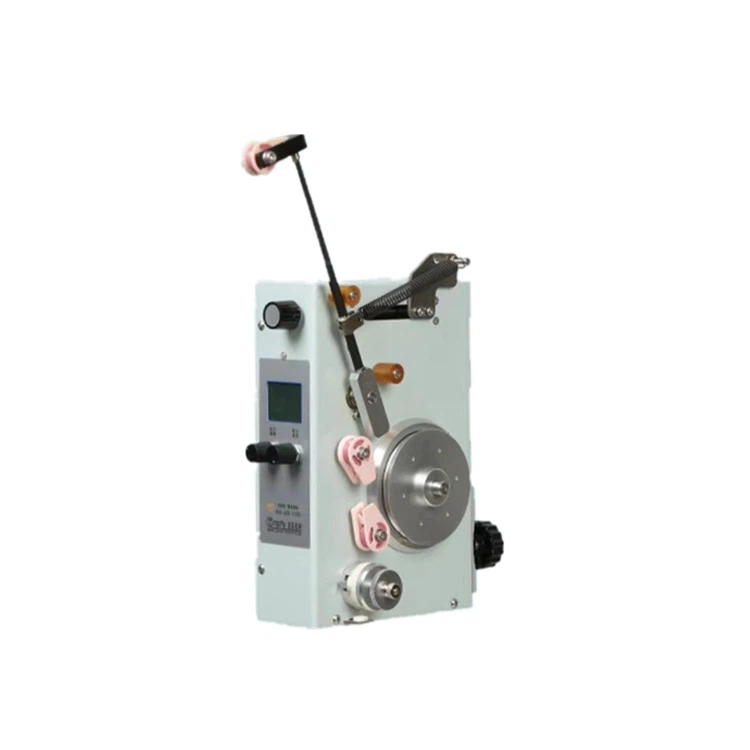
First off, let's understand what a Winding Tensioner Meter is all about. It's a crucial tool in the winding process, used to measure and control the tension of materials like wires, ropes, and tapes during winding. There are different types of tensioners out there, such as Servo Tensioner, Mechanical Tensioner, and Electrical Tensioner. Each type has its own unique features and functions, but they all share the common goal of ensuring proper tension in the winding process.
Now, when it comes to using a Winding Tensioner Meter in wet environments, there are a few things we need to consider.
The Impact of Moisture on Winding Tensioner Meters
Moisture can have a significant impact on the performance and lifespan of a Winding Tensioner Meter. Here are some of the potential problems:
Corrosion
One of the biggest issues is corrosion. Most Winding Tensioner Meters are made of metal components, and when exposed to water or high humidity, these metal parts can start to rust. Corrosion can damage the internal mechanisms of the meter, leading to inaccurate measurements and even complete failure. For example, the sensors that measure tension can be affected by rust, causing them to give false readings.

Electrical Malfunctions
If the tensioner meter has electrical components (like many of the Electrical Tensioners), moisture can cause short circuits. Water is a conductor of electricity, and when it gets into the electrical parts of the meter, it can disrupt the normal flow of current. This can lead to erratic behavior of the meter, such as sudden changes in the tension reading or the meter not working at all.
Lubrication Issues
Many tensioner meters have moving parts that require lubrication to function smoothly. Moisture can wash away the lubricant, increasing friction between the parts. This can cause excessive wear and tear, reducing the efficiency of the meter and potentially leading to breakdowns.
Types of Winding Tensioner Meters and Their Suitability for Wet Environments
Servo Tensioners
Servo Tensioners are known for their precision and ability to provide accurate tension control. However, they are often more complex and have more electrical components compared to other types of tensioners. This makes them more vulnerable to moisture damage. In a wet environment, the servo motors and control circuits can be at risk of short circuits and corrosion. So, using a standard servo tensioner in a wet environment without proper protection is not a good idea.
Mechanical Tensioners
Mechanical Tensioners are generally more robust when it comes to wet environments. They rely on mechanical principles rather than electrical circuits, which means there is less risk of electrical malfunctions due to moisture. However, the metal parts of mechanical tensioners can still corrode if exposed to water for extended periods. Some mechanical tensioners can be designed with corrosion - resistant materials, which can improve their performance in wet conditions.
Electrical Tensioners
As mentioned earlier, Electrical Tensioners are highly dependent on electrical components. These components are very sensitive to moisture. Even a small amount of water can cause problems. However, if the electrical tensioner is properly sealed and protected, it may be possible to use it in wet environments. Some manufacturers offer waterproof or water - resistant versions of electrical tensioners.
Solutions for Using Winding Tensioner Meters in Wet Environments
If you need to use a Winding Tensioner Meter in a wet environment, here are some solutions:
Waterproof Enclosures
One of the simplest solutions is to use a waterproof enclosure for the tensioner meter. This enclosure can protect the meter from direct contact with water and reduce the risk of moisture damage. Make sure the enclosure is properly sealed and has a good ventilation system to prevent condensation inside.
Corrosion - Resistant Materials
Choose a Winding Tensioner Meter that is made of corrosion - resistant materials. Stainless steel is a popular choice as it is highly resistant to rust and corrosion. Some meters also use special coatings on their metal parts to provide additional protection.
Regular Maintenance
Even if you have taken precautions, regular maintenance is still essential. Check the meter for signs of corrosion or damage regularly. Clean the meter and replace any worn - out parts as needed. If the meter has lubrication points, make sure to re - lubricate them according to the manufacturer's recommendations.
Conclusion
So, can a Winding Tensioner Meter be used in wet environments? The answer is yes, but it depends. With the right precautions and the appropriate type of tensioner, it is possible to use these meters in wet conditions. However, you need to be aware of the potential risks and take steps to mitigate them.
If you're in the market for a Winding Tensioner Meter and need one that can handle wet environments, we're here to help. We offer a wide range of tensioners, including Servo Tensioner, Mechanical Tensioner, and Electrical Tensioner options. Contact us for a detailed discussion about your specific requirements, and let's work together to find the perfect solution for your winding needs.
References
- General knowledge of winding tensioner meters and their applications.
- Industry standards and best practices for using equipment in wet environments.


