

Hey there! As a supplier of Magnetic Tensioners, I've been getting a lot of questions lately about the limitations of using these nifty devices. So, I thought I'd take a deep dive into this topic and share my insights with you all.
First off, let's quickly recap what a Magnetic Tensioner is. It's a type of tensioner used in various industries, especially in winding applications. You can check out more about it Magnetic Tensioner. These tensioners use magnetic fields to control the tension of a wire, thread, or other materials during the winding process. They're pretty popular because they offer a smooth and consistent tension control, which is super important for high - quality winding.
Now, let's talk about the limitations. One of the main limitations of using a Magnetic Tensioner is its sensitivity to temperature. Magnetic properties can change with temperature. When the temperature rises, the magnetic force can weaken. This means that if you're using a Magnetic Tensioner in an environment where the temperature fluctuates a lot, you might experience inconsistent tension control. For example, in a factory where there are large machines generating heat, or in an outdoor setting where the temperature can vary from day to night. This can lead to issues like uneven winding, which can affect the quality of the final product.
Another limitation is related to the magnetic field interference. Magnetic Tensioners rely on a stable magnetic field to function properly. But in an industrial environment, there are often other magnetic sources around. Things like motors, transformers, and even some types of electrical equipment can generate their own magnetic fields. These external magnetic fields can interfere with the magnetic field of the tensioner, causing it to malfunction. This interference can result in sudden changes in tension, which can be a real headache for operators.
The range of tension adjustment can also be a limitation. Magnetic Tensioners typically have a certain range within which they can adjust the tension. If you need to work with materials that require a very wide range of tension, a Magnetic Tensioner might not be the best choice. For instance, if you're winding very thin wires that need extremely low tension at the beginning and then much higher tension as the winding progresses, you might find that the Magnetic Tensioner can't cover that full range effectively.
Maintenance can also be a bit of a challenge. Over time, the magnetic components of the tensioner can wear out. Dust and debris can accumulate on the magnetic surfaces, which can affect the magnetic field and the overall performance of the tensioner. Cleaning and maintaining these components require some technical knowledge and the right tools. If not maintained properly, the tensioner's performance can degrade over time, leading to more frequent breakdowns and increased downtime.
Now, let's compare Magnetic Tensioners with other types of tensioners. There are Servo Tensioner and Electrical Tensioner. Servo Tensioners are known for their high - precision control and wide range of tension adjustment. They can adapt to different materials and winding requirements more easily compared to Magnetic Tensioners. Electrical Tensioners, on the other hand, offer a different way of tension control. They can be more resistant to temperature changes and magnetic field interference in some cases.
However, it's not all bad news for Magnetic Tensioners. They still have their advantages. They're relatively simple in design, which means they're often more affordable than some other types of tensioners. They also offer a good level of tension control for many common applications. For example, in the production of small - scale coils or in some basic winding operations where the requirements are not extremely demanding.
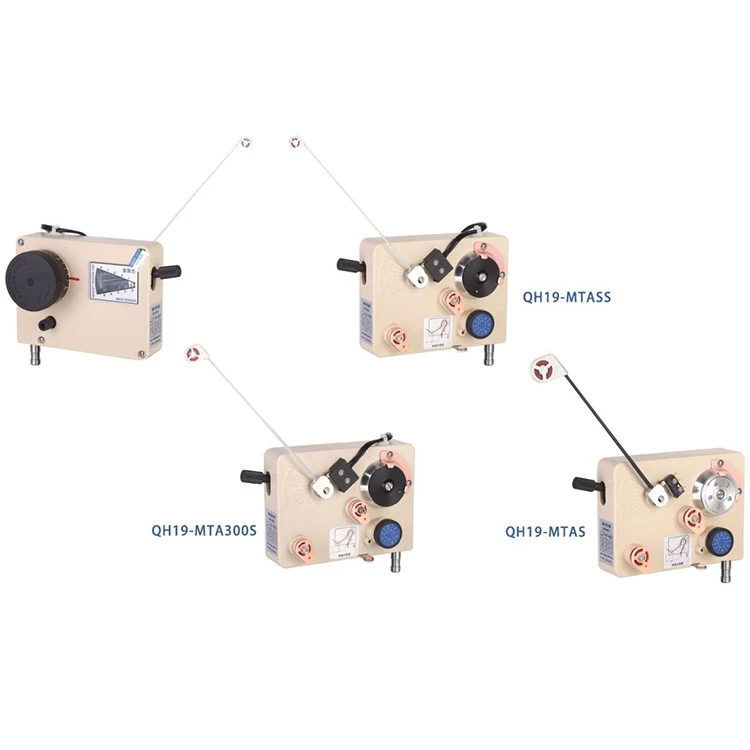

Despite the limitations, Magnetic Tensioners are still a popular choice in many industries. But it's important to be aware of these limitations so that you can make an informed decision when choosing a tensioner for your specific application. If you're working in an environment with stable temperature and minimal magnetic interference, and your tension requirements fall within the range of the Magnetic Tensioner, it can be a great option.
If you're still not sure whether a Magnetic Tensioner is the right fit for your needs, or if you have any questions about our products, feel free to reach out. We're here to help you find the best tensioning solution for your business. Whether you need more information about the limitations, want to know about our product features, or are ready to start a purchase, we're just a message away.
In conclusion, while Magnetic Tensioners have their limitations, they also have a lot to offer. By understanding these limitations and taking them into account, you can use Magnetic Tensioners effectively and get the most out of them. So, don't let the limitations scare you off. Instead, use this knowledge to make the best decision for your winding operations.
References
- Industry research on tensioning devices
- Case studies on the use of Magnetic Tensioners in different applications


