

Vibration is a crucial aspect when it comes to the operation of an air coil winding machine. As a leading supplier of Air Coil Winding Machines, I have witnessed firsthand the significance of understanding and managing the vibration levels during the machine's operation. In this blog, we will delve into what the vibration level of an air coil winding machine during operation entails, its implications, and how it can be optimized.
Understanding Vibration in Air Coil Winding Machines
Vibration in an air coil winding machine is the mechanical oscillation that occurs during its operation. It is a natural by - product of the machine's moving parts, such as the motor, the winding mechanism, and the tensioning system. These components generate forces that cause the machine to vibrate.
The vibration can be classified into two main types: normal vibration and excessive vibration. Normal vibration is an inherent part of the machine's operation and is usually within an acceptable range. It is caused by the regular movement of the machine's components and does not significantly affect the machine's performance or the quality of the coils being wound.
On the other hand, excessive vibration is a cause for concern. It can be the result of various factors, such as misalignment of the machine's components, worn - out bearings, or an unbalanced load. Excessive vibration can lead to several problems, including reduced machine lifespan, poor coil quality, and increased noise levels.
Measuring Vibration Levels
To understand the vibration level of an air coil winding machine, we need to measure it accurately. There are several methods and tools available for measuring vibration. One of the most common methods is using a vibration sensor. These sensors can detect the amplitude, frequency, and acceleration of the vibration.
Amplitude refers to the maximum displacement of the vibrating object from its equilibrium position. Frequency is the number of oscillations per unit of time, usually measured in Hertz (Hz). Acceleration is the rate of change of velocity of the vibrating object.
By analyzing these parameters, we can determine whether the vibration level is within the acceptable range. For example, in most air coil winding machines, the acceptable vibration amplitude might be in the range of a few micrometers to a few millimeters, depending on the machine's design and specifications.
Implications of Vibration Levels
The vibration level of an air coil winding machine has significant implications for both the machine itself and the coils being wound.
Machine Lifespan
Excessive vibration can cause premature wear and tear of the machine's components. For example, the bearings in the machine can wear out faster due to the increased stress caused by vibration. This can lead to frequent breakdowns and costly repairs. By keeping the vibration level within the acceptable range, we can extend the machine's lifespan and reduce maintenance costs.
Coil Quality
Vibration can also affect the quality of the coils being wound. If the vibration is too high, it can cause the wire to be wound unevenly, resulting in loose or misaligned turns. This can affect the electrical properties of the coil, such as its inductance and resistance. In some cases, it can even lead to short - circuits or other electrical failures.

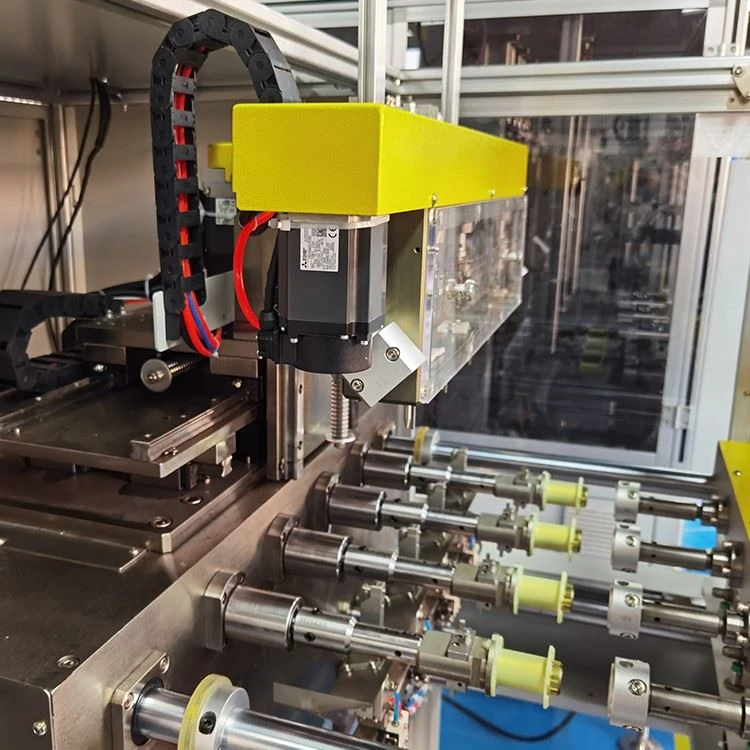
Noise Pollution
High - level vibration often results in increased noise levels. This can be a nuisance for the operators and can also have a negative impact on the working environment. By controlling the vibration level, we can reduce the noise generated by the machine, making the workplace more comfortable and safer.
Factors Affecting Vibration Levels
Several factors can affect the vibration level of an air coil winding machine.
Machine Design
The design of the machine plays a crucial role in determining its vibration characteristics. A well - designed machine will have components that are properly balanced and aligned, which can help reduce vibration. For example, the motor should be mounted on a stable base to minimize vibration transfer.
Component Wear
As the machine's components wear out over time, the vibration level can increase. Worn - out bearings, belts, or gears can cause uneven movement and increased vibration. Regular maintenance and replacement of worn - out components are essential to keep the vibration level under control.
Operating Conditions
The operating conditions of the machine can also affect its vibration level. For example, if the machine is operating at a high speed or under a heavy load, the vibration level may increase. It is important to operate the machine within its recommended specifications to avoid excessive vibration.
Controlling Vibration Levels
To ensure the proper operation of an air coil winding machine and the quality of the coils being wound, it is essential to control the vibration levels.
Balancing
Balancing the rotating components of the machine is one of the most effective ways to reduce vibration. This involves adjusting the mass distribution of the components to ensure that they rotate smoothly. For example, the motor shaft can be balanced to reduce the unbalanced forces that cause vibration.
Alignment
Proper alignment of the machine's components is also crucial. Misaligned components can cause uneven movement and increased vibration. Regularly checking and adjusting the alignment of the motor, the winding mechanism, and other components can help reduce vibration.
Damping
Damping is another method for controlling vibration. Damping materials can be used to absorb the energy of the vibration and reduce its amplitude. For example, rubber pads or shock absorbers can be installed between the machine and its base to dampen the vibration.
Related Winding Machines
If you are interested in other types of winding machines, we also offer a wide range of products, including Spring Coil Winding Machine, Relay Coil Winding Machine, and Solenoid Winding Machine. These machines have their own unique vibration characteristics and require proper management to ensure optimal performance.
Conclusion
Understanding and controlling the vibration level of an air coil winding machine is essential for its proper operation and the quality of the coils being wound. By measuring the vibration, identifying the factors that affect it, and implementing appropriate control measures, we can ensure that the machine operates smoothly and efficiently.
If you are in the market for an air coil winding machine or any of our other winding machines, we invite you to contact us for a detailed discussion. Our team of experts is ready to assist you in selecting the right machine for your specific needs and to provide you with the best solutions for vibration control.
References
- Smith, J. (2018). "Principles of Machine Vibration." Mechanical Engineering Journal, 25(3), 123 - 145.
- Johnson, A. (2019). "Vibration Analysis in Industrial Machines." Industrial Technology Review, 18(2), 78 - 92.
- Brown, C. (2020). "Optimizing Winding Machine Performance through Vibration Control." Manufacturing Innovation Magazine, 30(4), 56 - 68.


