

As a supplier of Servo Assembly Machines, I often encounter inquiries about the torque output of these sophisticated pieces of equipment. Understanding the torque output is crucial for anyone looking to optimize their motor assembly processes, as it directly impacts the quality and efficiency of the assembly.
The Basics of Torque in Servo Assembly Machines
Torque is a measure of the rotational force applied by a Servo Assembly Machine. It is the force that causes an object to rotate around an axis, similar to how you apply force to turn a doorknob. In the context of servo assembly, torque is used to tighten screws, bolts, and other fasteners, ensuring that components are securely attached.
The torque output of a Servo Assembly Machine is determined by several factors, including the power of the servo motor, the gear ratio of the transmission system, and the design of the tooling. A higher torque output allows the machine to handle larger and more demanding assembly tasks, while a lower torque output may be sufficient for smaller, more delicate components.
Factors Affecting Torque Output
- Servo Motor Power: The power of the servo motor is one of the primary factors influencing torque output. A more powerful motor can generate higher torque, enabling the machine to handle heavier loads and more challenging assembly operations. When selecting a Servo Assembly Machine, it is essential to consider the power requirements of your specific application to ensure that the machine can deliver the necessary torque.
- Gear Ratio: The gear ratio of the transmission system plays a crucial role in determining the torque output. A higher gear ratio increases the torque applied to the output shaft, allowing the machine to generate more force. However, a higher gear ratio also reduces the speed of the output shaft, so it is important to find the right balance between torque and speed for your application.
- Tooling Design: The design of the tooling used in the Servo Assembly Machine can also affect the torque output. Different types of tools, such as screwdrivers, wrenches, and nut runners, have different torque characteristics. The size, shape, and material of the tooling can also impact the torque transfer efficiency. It is important to choose the appropriate tooling for your application to ensure accurate and consistent torque output.
Measuring Torque Output
Accurately measuring the torque output of a Servo Assembly Machine is essential for quality control and process optimization. There are several methods for measuring torque, including:
- Torque Sensors: Torque sensors are devices that measure the torque applied to a rotating shaft. They can be integrated into the Servo Assembly Machine or used as standalone devices. Torque sensors provide real-time feedback on the torque output, allowing operators to monitor and adjust the assembly process as needed.
- Torque Wrenches: Torque wrenches are hand tools that allow users to apply a specific amount of torque to a fastener. They are commonly used for manual assembly operations or for calibrating the torque output of a Servo Assembly Machine. Torque wrenches are available in various types and sizes, and they can be calibrated to ensure accurate torque measurement.
- Data Logging: Many modern Servo Assembly Machines are equipped with data logging capabilities, which allow operators to record and analyze the torque output during the assembly process. Data logging can provide valuable insights into the performance of the machine and help identify any issues or trends that may affect the quality of the assembly.
Importance of Torque Control in Servo Assembly
Proper torque control is essential for ensuring the quality and reliability of motor assemblies. Over-tightening or under-tightening fasteners can lead to a variety of problems, including:
- Component Damage: Over-tightening fasteners can cause damage to the components being assembled, such as stripping threads or cracking the material. This can lead to premature failure of the assembly and increase the risk of product recalls.
- Loose Connections: Under-tightening fasteners can result in loose connections, which can cause vibrations, noise, and electrical problems. Loose connections can also lead to the failure of the assembly over time.
- Inconsistent Performance: Inconsistent torque output can result in variations in the performance of the motor assembly. This can affect the efficiency, reliability, and lifespan of the motor.
By using a Servo Assembly Machine with precise torque control capabilities, manufacturers can ensure that fasteners are tightened to the correct specifications, reducing the risk of component damage, loose connections, and inconsistent performance.

Applications of Servo Assembly Machines
Servo Assembly Machines are widely used in various industries, including automotive, electronics, aerospace, and medical device manufacturing. Some common applications of Servo Assembly Machines include:
- Motor Assembly: Servo Assembly Machines are used to assemble electric motors, including stators, rotors, and other components. They can be used to tighten screws, bolts, and other fasteners, ensuring that the motor components are securely attached.
- Electronic Device Assembly: In the electronics industry, Servo Assembly Machines are used to assemble printed circuit boards (PCBs), connectors, and other electronic components. They can be used to perform tasks such as soldering, screwdriving, and component insertion.
- Aerospace and Defense: Servo Assembly Machines are used in the aerospace and defense industries to assemble critical components, such as aircraft engines, missile systems, and satellite components. They can be used to perform high-precision assembly operations, ensuring the reliability and safety of these components.
- Medical Device Manufacturing: In the medical device industry, Servo Assembly Machines are used to assemble medical devices, such as syringes, pumps, and surgical instruments. They can be used to perform tasks such as assembly, calibration, and testing, ensuring the quality and safety of these devices.
Our Servo Assembly Machines
As a leading supplier of Servo Assembly Machines, we offer a wide range of products to meet the diverse needs of our customers. Our machines are designed with the latest technology and features to ensure high performance, reliability, and precision. Some of the key features of our Servo Assembly Machines include:
- Precise Torque Control: Our machines are equipped with advanced torque control systems that allow for accurate and consistent torque output. This ensures that fasteners are tightened to the correct specifications, reducing the risk of component damage and ensuring the quality of the assembly.
- Flexible Tooling Options: We offer a variety of tooling options to accommodate different types of fasteners and assembly requirements. Our tooling is designed for easy installation and replacement, allowing for quick changeovers between different products.
- User-Friendly Interface: Our machines feature a user-friendly interface that makes it easy for operators to set up and operate the machine. The interface provides real-time feedback on the torque output, assembly status, and other important parameters.
- High-Speed Operation: Our Servo Assembly Machines are designed for high-speed operation, allowing for efficient and productive assembly processes. The machines can be programmed to perform multiple assembly operations simultaneously, reducing cycle times and increasing throughput.
If you are interested in learning more about our Servo Assembly Machines or would like to discuss your specific assembly requirements, please feel free to contact us. Our team of experts will be happy to provide you with more information and assist you in finding the right solution for your needs.
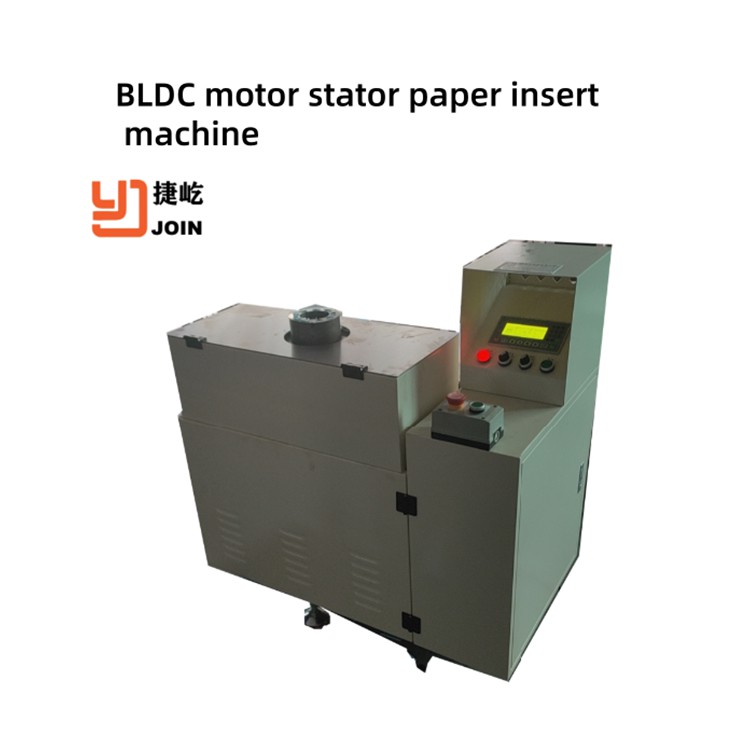
In addition to our Servo Assembly Machines, we also offer a range of other motor automation equipment, including Paper Insert Machines and Stator Insulation Machines. These machines are designed to work together seamlessly to provide a complete solution for motor assembly and insulation processes.
We believe that our products and services can help you improve the efficiency, quality, and reliability of your motor assembly processes. If you are looking for a reliable supplier of motor automation equipment, we encourage you to contact us to discuss your requirements. We look forward to the opportunity to work with you and help you achieve your business goals.
References
- "Torque Basics and Measurement." Wikipedia.
- "Servo Motor Technology and Applications." Motion Control Tips.
- "Motor Assembly Best Practices." Assembly Magazine.


