

As a supplier of Servo Assembly Machines, I've witnessed firsthand the pivotal role that the cooling system plays in these sophisticated pieces of equipment. In this blog, I'll delve into the significance of the cooling system in a Servo Assembly Machine, exploring its functions, benefits, and impact on overall performance.
The Basics of a Servo Assembly Machine
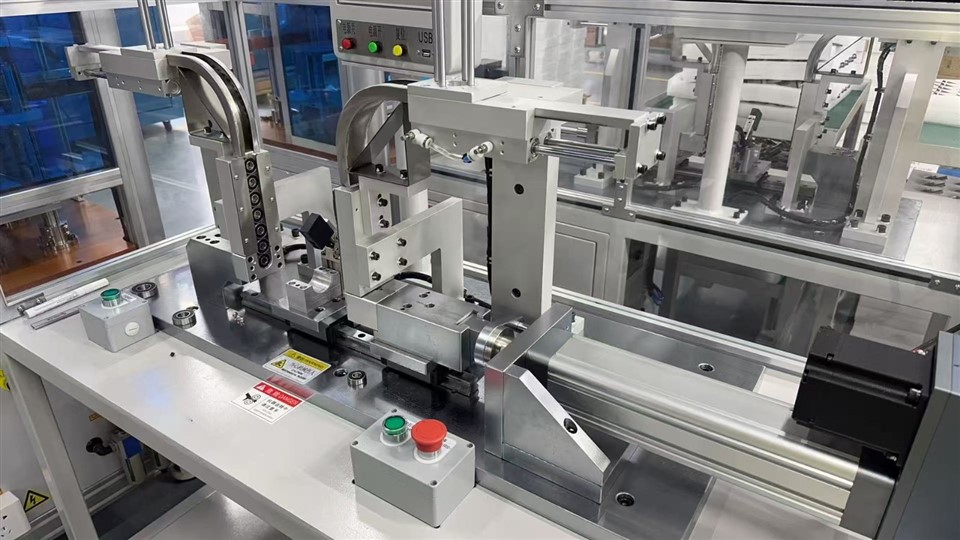
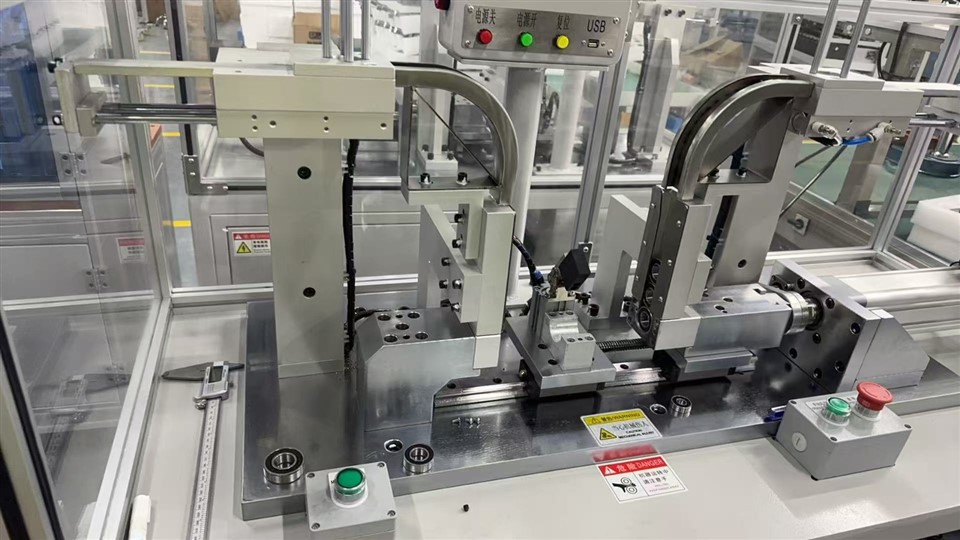
Before we dive into the role of the cooling system, let's briefly understand what a Servo Assembly Machine is. A Servo Assembly Machine is a specialized piece of equipment used in the manufacturing process of motors and other precision components. It utilizes servo motors to control the movement and positioning of various parts, ensuring high precision and efficiency in the assembly process. These machines are widely used in industries such as automotive, electronics, and aerospace, where the quality and accuracy of assembly are crucial.
The Need for Cooling in a Servo Assembly Machine
Servo Assembly Machines operate under high loads and at high speeds, which generate a significant amount of heat. This heat can have several detrimental effects on the machine's performance and longevity. Here are some of the key reasons why cooling is essential:
1. Temperature Control for Precision
Precision is the hallmark of a Servo Assembly Machine. The servo motors and other components need to operate within a specific temperature range to maintain accurate positioning and movement. Excessive heat can cause thermal expansion of the machine's parts, leading to dimensional changes and misalignments. This can result in inaccurate assembly, reduced product quality, and increased scrap rates. By keeping the temperature in check, the cooling system ensures that the machine maintains its precision and accuracy over time.
2. Component Protection
High temperatures can also damage the electronic components and mechanical parts of the Servo Assembly Machine. Excessive heat can cause the insulation on wires to degrade, leading to short circuits and electrical failures. It can also accelerate the wear and tear of bearings, gears, and other moving parts, reducing their lifespan and increasing the likelihood of breakdowns. A proper cooling system helps to protect these components from the harmful effects of heat, extending their service life and reducing maintenance costs.
3. Energy Efficiency
When a Servo Assembly Machine operates at high temperatures, it requires more energy to maintain its performance. This is because the components have to work harder to overcome the effects of heat. By cooling the machine, the cooling system reduces the energy consumption, making the machine more energy-efficient. This not only saves on operating costs but also contributes to a more sustainable manufacturing process.
How the Cooling System Works
The cooling system in a Servo Assembly Machine typically consists of several components, including a radiator, a fan, a pump, and a coolant. Here's a step-by-step explanation of how the cooling system works:
1. Heat Generation
As the Servo Assembly Machine operates, the servo motors, controllers, and other components generate heat. This heat is transferred to the surrounding air and the machine's structure.
2. Coolant Circulation
The coolant, which is usually a mixture of water and antifreeze, is circulated through the machine by a pump. The coolant absorbs the heat from the components and carries it to the radiator.
3. Heat Dissipation
The radiator is a heat exchanger that transfers the heat from the coolant to the surrounding air. The fan blows air over the radiator, increasing the rate of heat transfer. As the coolant releases its heat, it cools down and returns to the machine to absorb more heat.
4. Temperature Monitoring
Most Servo Assembly Machines are equipped with temperature sensors that monitor the temperature of the components and the coolant. If the temperature exceeds a certain threshold, the cooling system can adjust its operation to increase the cooling capacity. This ensures that the machine remains within the optimal temperature range at all times.
Types of Cooling Systems
There are several types of cooling systems that can be used in a Servo Assembly Machine, each with its own advantages and disadvantages. Here are some of the most common types:
1. Air Cooling
Air cooling is the simplest and most cost-effective type of cooling system. It uses a fan to blow air over the components to dissipate heat. Air cooling is suitable for small to medium-sized Servo Assembly Machines that generate relatively low amounts of heat. However, it may not be sufficient for larger machines or those operating in high-temperature environments.
2. Liquid Cooling
Liquid cooling is a more efficient cooling method that uses a liquid coolant to absorb and transfer heat. Liquid cooling systems can be either open-loop or closed-loop. In an open-loop system, the coolant is continuously circulated through the machine and then discharged into the environment. In a closed-loop system, the coolant is recirculated through the machine and cooled by a radiator or a chiller. Liquid cooling is suitable for larger Servo Assembly Machines that generate high amounts of heat.
3. Hybrid Cooling
Hybrid cooling systems combine the advantages of air cooling and liquid cooling. They typically use a liquid coolant to absorb the heat from the components and then use a radiator and a fan to dissipate the heat into the surrounding air. Hybrid cooling systems are more efficient than air cooling alone and can be used in a wider range of applications.
Benefits of a Well-Designed Cooling System
A well-designed cooling system can provide several benefits to a Servo Assembly Machine and its users. Here are some of the key benefits:
1. Improved Performance
By maintaining the optimal temperature range, a well-designed cooling system ensures that the Servo Assembly Machine operates at its peak performance. This results in higher precision, faster cycle times, and increased productivity.
2. Extended Component Life
The cooling system helps to protect the electronic components and mechanical parts of the Servo Assembly Machine from the harmful effects of heat. This extends their service life and reduces the need for frequent replacements, saving on maintenance costs.
3. Reduced Downtime
A reliable cooling system reduces the risk of breakdowns and malfunctions caused by overheating. This minimizes downtime and ensures that the Servo Assembly Machine can operate continuously, maximizing production output.
4. Enhanced Product Quality
By maintaining the precision and accuracy of the assembly process, a well-designed cooling system helps to improve the quality of the products produced by the Servo Assembly Machine. This results in fewer defects and higher customer satisfaction.
Conclusion
In conclusion, the cooling system plays a crucial role in the performance, reliability, and longevity of a Servo Assembly Machine. It helps to maintain the optimal temperature range, protect the components from heat damage, improve energy efficiency, and enhance product quality. As a supplier of Servo Assembly Machines, we understand the importance of a well-designed cooling system and offer a range of options to meet the specific needs of our customers.
If you're in the market for a Servo Assembly Machine, Bearing Assembly Machine, or Paper Insert Machine, we'd be happy to discuss your requirements and provide you with a customized solution. Contact us today to learn more about our products and services and to start the procurement process.
References
- "Thermal Management in Industrial Automation Systems." Industrial Heating, 2020.
- "Cooling Systems for Electric Motors." IEEE Transactions on Industry Applications, 2018.
- "Precision Assembly Machines: Design and Operation." John Wiley & Sons, 2019.


