

Hey there! I'm a supplier of Servo Tensioners, and today I want to dig into a question that often pops up: What is the largest size of a servo tensioner available on the market?
First off, let's quickly go over what a servo tensioner is. A Servo Tensioner is a crucial component in many industries, especially those involving winding processes. It's designed to maintain a consistent tension on materials like wires, cables, and fibers during winding operations. Unlike Mechanical Tensioner, which rely on mechanical means to control tension, Servo Tensioner use servo motors and advanced control systems for more precise and dynamic tension control.
When it comes to size, we're not just talking about physical dimensions but also the capabilities of the tensioner. The size of a servo tensioner can be measured in terms of its maximum tension capacity, the diameter of the material it can handle, and its overall footprint.
Maximum Tension Capacity
The maximum tension capacity is one of the key factors that define the size of a servo tensioner. On the market, you can find servo tensioners with a wide range of tension capacities. Smaller servo tensioners might have a maximum tension capacity of just a few Newtons, which are suitable for delicate applications like winding fine wires in electronic components. These are often used in the production of small transformers, inductors, and other precision electronic devices.
On the other hand, larger servo tensioners can handle much higher tensions. Some industrial-grade servo tensioners can reach maximum tension capacities of several hundred Newtons or even more. These high-capacity tensioners are used in heavy-duty applications such as cable manufacturing, where thick and strong cables need to be wound tightly and evenly. For example, in the production of power transmission cables, a high-tension servo tensioner ensures that the cables are wound with the right amount of tension to maintain their structural integrity and electrical performance.
Material Diameter
Another aspect of size is the diameter of the material that the servo tensioner can handle. Smaller servo tensioners are typically designed to work with thin materials, such as wires with diameters in the range of a few millimeters or less. These are ideal for applications where precision and accuracy are crucial, as they can provide precise tension control for delicate materials.
Larger servo tensioners, however, are capable of handling much thicker materials. They can accommodate cables and ropes with diameters of several centimeters or more. For instance, in the marine industry, servo tensioners are used to wind large ropes and cables for mooring and towing purposes. These tensioners need to be able to handle the high tensions and large diameters of the materials involved.
Overall Footprint
The physical size or footprint of a servo tensioner is also an important consideration. In some manufacturing facilities, space is limited, and a compact servo tensioner might be preferred. Smaller tensioners are often more portable and easier to integrate into existing production lines. They can be mounted on small workbenches or integrated into compact winding machines.

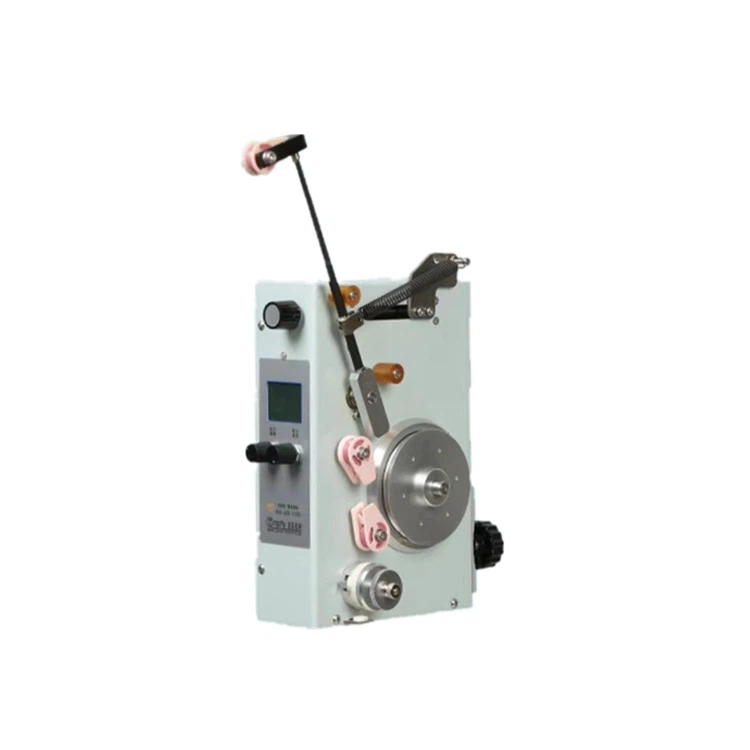
On the other hand, larger servo tensioners usually have a bigger footprint. They are often part of large, industrial-scale winding systems and require more space for installation and operation. These tensioners are typically built to withstand heavy use and are designed to be more robust and durable.
The Largest Sizes on the Market
So, what is the largest size of a servo tensioner available on the market? Well, it's hard to give a definitive answer because the market is constantly evolving, and new products are being developed all the time. However, as of now, some of the largest servo tensioners have maximum tension capacities in the range of several thousand Newtons and can handle materials with diameters of up to tens of centimeters.
These large-scale servo tensioners are used in industries such as oil and gas, where they are used to wind large cables and hoses for offshore platforms. They are also used in the aerospace industry for winding large carbon fiber composites and other high-strength materials.
Advantages of Using a Large Servo Tensioner
Using a large servo tensioner has several advantages. Firstly, it allows for the efficient production of large and heavy materials. With a high-tension capacity, the tensioner can wind thick cables and ropes quickly and evenly, reducing production time and improving quality.
Secondly, large servo tensioners often come with advanced control systems that provide more precise tension control. This is especially important when working with high-strength materials, as even a small variation in tension can affect the performance of the final product.
Finally, large servo tensioners are built to be more durable and reliable. They are designed to withstand the harsh conditions of industrial environments and can operate continuously for long periods without significant wear and tear.
Choosing the Right Size
When choosing a servo tensioner, it's important to consider your specific application requirements. If you're working with small and delicate materials, a smaller servo tensioner with a lower tension capacity might be sufficient. However, if you're involved in heavy-duty applications, you'll need a larger servo tensioner with a higher tension capacity and the ability to handle larger material diameters.
It's also a good idea to consult with a professional or an experienced supplier. At our company, we have a team of experts who can help you choose the right servo tensioner for your needs. We offer a wide range of servo tensioners, from small, precision models to large, industrial-grade ones.
Conclusion
In conclusion, the largest size of a servo tensioner on the market can vary depending on the specific requirements of different industries. Whether you need a small servo tensioner for precision work or a large one for heavy-duty applications, there are options available to meet your needs.
If you're in the market for a servo tensioner, don't hesitate to reach out to us. We're here to help you find the perfect solution for your winding needs. Whether you're a small business or a large industrial manufacturer, we can provide you with the right servo tensioner at a competitive price. Contact us today to start the conversation and explore your options.
References
- Industry reports on winding machine technology
- Manufacturer specifications of servo tensioners


