

As a supplier of Rotor Gluing Machines, I am often asked about the alarm system of these machines. In this blog, I will delve into what the alarm system of a Rotor Gluing Machine is like, its components, functions, and importance in ensuring the smooth operation of the machine.
Components of the Alarm System
The alarm system of a Rotor Gluing Machine is a complex network of sensors, controllers, and indicators that work together to detect and alert operators to potential issues. Here are the key components:
Sensors
Sensors are the eyes and ears of the alarm system. They are strategically placed throughout the machine to monitor various parameters such as temperature, pressure, speed, and position. For example, temperature sensors can detect overheating in the gluing unit, while pressure sensors can monitor the pressure of the glue supply system. If any of these parameters deviate from the normal range, the sensors will send a signal to the controller.
Controllers
The controller is the brain of the alarm system. It receives signals from the sensors and analyzes the data to determine if an alarm condition exists. If an alarm is triggered, the controller will activate the appropriate alarm indicators and may also take corrective actions, such as shutting down the machine to prevent further damage.
Alarm Indicators
Alarm indicators are used to alert operators to the presence of an alarm condition. These can include visual indicators such as warning lights and digital displays, as well as audible indicators such as buzzers and sirens. The indicators are typically located in a prominent position on the machine, making them easily visible and audible to the operator.
Functions of the Alarm System
The alarm system of a Rotor Gluing Machine serves several important functions:
Fault Detection
One of the primary functions of the alarm system is to detect faults in the machine. By continuously monitoring the various parameters, the system can identify potential issues before they cause significant damage. For example, if a sensor detects a sudden drop in pressure in the glue supply system, the alarm system will alert the operator, allowing them to take corrective action before the machine runs out of glue.
Safety Protection
The alarm system also plays a crucial role in ensuring the safety of the operator and the machine. If a dangerous condition is detected, such as a high temperature or a mechanical malfunction, the alarm system will immediately shut down the machine to prevent injury or damage. This helps to protect both the operator and the machine from harm.
Process Monitoring
In addition to fault detection and safety protection, the alarm system can also be used to monitor the performance of the machine. By analyzing the data collected by the sensors, the system can provide valuable insights into the operation of the machine, such as the efficiency of the gluing process and the quality of the finished product. This information can be used to optimize the machine's performance and improve productivity.
Importance of the Alarm System
The alarm system of a Rotor Gluing Machine is an essential component of the machine's overall operation. Here are some of the key reasons why the alarm system is so important:
Preventing Downtime
By detecting and alerting operators to potential issues, the alarm system can help to prevent downtime. When a fault is detected early, the operator can take corrective action before the machine breaks down, minimizing the amount of time the machine is out of service. This can save the company time and money in the long run.
Ensuring Product Quality
The alarm system can also help to ensure the quality of the finished product. By monitoring the various parameters of the gluing process, the system can detect any deviations from the normal range and alert the operator. This allows the operator to make adjustments to the machine to ensure that the product meets the required quality standards.
Protecting the Machine
The alarm system helps to protect the machine from damage. By shutting down the machine in the event of a dangerous condition, the system can prevent further damage to the machine and its components. This can extend the lifespan of the machine and reduce the need for costly repairs.
Comparison with Other Machines
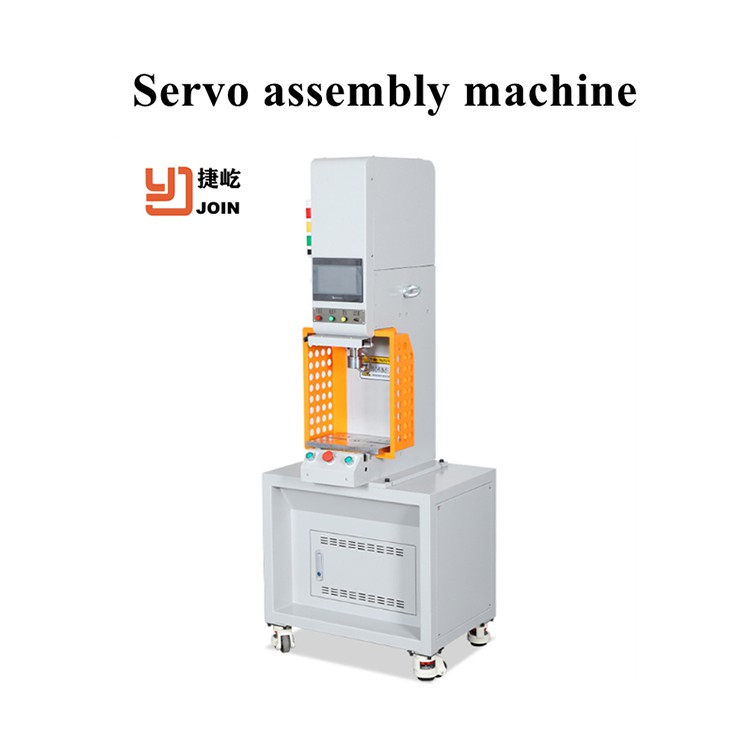
When comparing the alarm system of a Rotor Gluing Machine with other machines in the motor automation equipment category, such as the Stator Insulation Machine, Servo Assembly Machine, and Rotor Magnet Insert Machine, there are some similarities and differences.
All of these machines rely on alarm systems to detect faults and ensure the safety of the operator and the machine. However, the specific components and functions of the alarm system may vary depending on the type of machine and its intended use. For example, a Stator Insulation Machine may have sensors to monitor the insulation resistance of the stator, while a Rotor Magnet Insert Machine may have sensors to monitor the position and alignment of the magnets.
Conclusion
In conclusion, the alarm system of a Rotor Gluing Machine is a critical component of the machine's operation. It plays a vital role in detecting faults, ensuring safety, and monitoring the performance of the machine. By understanding the components and functions of the alarm system, operators can take proactive measures to prevent downtime, ensure product quality, and protect the machine from damage.

If you are interested in learning more about our Rotor Gluing Machines or other motor automation equipment, we invite you to contact us for a detailed discussion. Our team of experts is ready to assist you in finding the right solution for your specific needs.
References
- Industry standards and best practices for motor automation equipment
- Manufacturer's documentation for Rotor Gluing Machines and related equipment


