

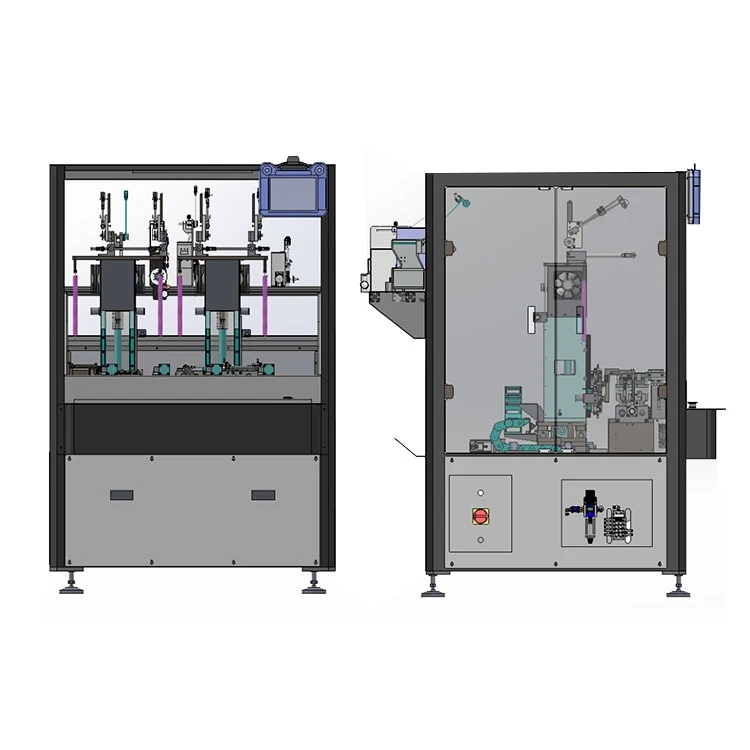
Ensuring the safety of operators when the motor winding machine is in operation is crucial. As a motor winding machine supplier, I've seen firsthand how important it is to have proper safety measures in place. In this blog, I'll share some tips on how to keep your operators safe while using our machines, whether it's a Motor Segment Winding Machine, Fan Motor Needle Winding Machine, or High Speed Needle Winding Machine.
1. Pre - operation Checks
Before starting the motor winding machine, operators should conduct a thorough pre - operation check. This includes inspecting the machine for any visible damage. Check the wiring to make sure there are no frayed wires or loose connections. Loose wires can cause electrical short - circuits, which are not only dangerous but can also damage the machine.
Also, examine the mechanical parts such as the winding needles, guides, and spools. If any of these parts are worn out or damaged, they should be replaced immediately. A broken winding needle, for example, can break during operation and cause injury to the operator.
The machine's safety guards should be in place and in good condition. Safety guards are designed to prevent operators from coming into contact with moving parts. Make sure they are properly installed and not damaged.
2. Operator Training
Proper training is a must for all operators. They need to understand how the machine works, including its controls, functions, and safety features. Our company provides comprehensive training programs for operators. During the training, we cover everything from basic machine operation to advanced troubleshooting.
Operators should learn how to start and stop the machine safely. They should also know the correct way to load and unload the winding materials. Incorrect loading can cause the machine to malfunction and pose a safety risk.
Training should also include emergency procedures. Operators need to know what to do in case of an emergency, such as a power outage, a mechanical failure, or an injury. They should be familiar with the location of emergency stop buttons and how to use them.

3. Personal Protective Equipment (PPE)
Personal protective equipment is essential for operator safety. Operators should wear safety glasses to protect their eyes from flying debris. The winding process can generate small pieces of wire or other materials that can get into the eyes.
Ear protection is also necessary, especially when using high - speed winding machines. These machines can be quite noisy, and prolonged exposure to high noise levels can cause hearing damage.
Gloves should be worn to protect the hands from cuts and abrasions. However, operators need to be careful not to wear loose - fitting gloves as they can get caught in the moving parts of the machine.
4. Machine Maintenance
Regular machine maintenance is key to ensuring operator safety. Our motor winding machines are designed to be durable, but they still need to be maintained properly. This includes lubricating the moving parts at regular intervals. Proper lubrication reduces friction, which in turn reduces the wear and tear on the machine and helps it run smoothly.
The machine's sensors and controls should be calibrated regularly. Faulty sensors can give incorrect readings, which can lead to unsafe operation. For example, a sensor that fails to detect a jam in the winding process can cause the machine to continue running, potentially causing damage and injury.
Cleaning the machine is also an important part of maintenance. Dust and debris can accumulate on the machine over time, which can affect its performance and safety. Make sure to clean the machine after each use or at least on a daily basis.
5. Risk Assessment
Conducting a risk assessment is an important step in ensuring operator safety. Identify potential hazards associated with the machine's operation. These hazards can include electrical hazards, mechanical hazards, and chemical hazards (if any chemicals are used in the winding process).
Once the hazards are identified, develop strategies to mitigate them. For example, if there is a risk of electrical shock, install proper grounding systems and use electrical insulation materials. If there is a risk of mechanical injury from moving parts, ensure that safety guards are in place and that operators are trained to stay clear of these parts.
6. Workplace Organization
A well - organized workplace can also contribute to operator safety. Keep the area around the motor winding machine clean and free of clutter. Tools and materials should be stored in designated areas. This not only makes the workplace safer but also more efficient.
The work area should have proper lighting. Poor lighting can make it difficult for operators to see what they are doing, increasing the risk of accidents. Make sure there are no tripping hazards, such as cords or cables lying on the floor.
7. Monitoring and Supervision
Supervision is important during machine operation. A supervisor should regularly check on the operators to make sure they are following the safety procedures. They can observe the operators' behavior and correct any unsafe practices immediately.
Monitoring the machine's performance is also crucial. If the machine starts to make unusual noises or vibrations, it could be a sign of a problem. The supervisor should be able to recognize these signs and take appropriate action, such as stopping the machine and having it inspected.
8. Safety Policies and Procedures
Our company has strict safety policies and procedures in place. These policies cover all aspects of machine operation, from pre - operation checks to emergency procedures. Operators should be familiar with these policies and follow them at all times.
We also encourage operators to report any safety concerns or near - misses. Near - misses are incidents that could have resulted in an accident but didn't. By reporting near - misses, we can identify potential problems and take corrective actions before an actual accident occurs.
9. Updating Safety Measures
As technology advances, safety measures need to be updated. We are constantly researching and developing new safety features for our motor winding machines. For example, we are working on implementing advanced sensor technology that can detect potential problems before they occur.
We also keep our operators informed about any safety updates. If there are new safety procedures or features, we provide additional training to ensure that operators are aware of them.
10. Communication
Good communication is essential for operator safety. Operators should be able to communicate with each other and with supervisors easily. If an operator notices a problem with the machine or has a safety concern, they should be able to report it immediately.
We encourage an open - door policy where operators can freely discuss safety issues. This helps to create a safety - conscious work environment.
In conclusion, ensuring the safety of operators when the motor winding machine is in operation requires a comprehensive approach. It involves pre - operation checks, operator training, the use of personal protective equipment, regular maintenance, risk assessment, workplace organization, monitoring, and clear safety policies.
If you are interested in our motor winding machines, whether it's the Motor Segment Winding Machine, Fan Motor Needle Winding Machine, or High Speed Needle Winding Machine, and want to learn more about how we ensure operator safety, please feel free to contact us for a procurement discussion. We are always happy to help you find the best solutions for your needs.
References:
- General knowledge of motor winding machine operation and safety from industry experience.
- Electrical and mechanical safety standards and guidelines.


