

Alright, folks! As a supplier of Servo Assembly Machines, I know how crucial it is to get the assembly force just right. In this blog, I'm gonna share some tips on how to adjust the assembly force of a Servo Assembly Machine.
Why Adjusting Assembly Force Matters
First off, let's talk about why adjusting the assembly force is so important. If the assembly force is too high, it can cause damage to the components being assembled. For example, it might crack delicate parts or deform them, leading to a faulty end - product. On the other hand, if the force is too low, the parts may not be properly assembled, which can result in loose connections, poor performance, and even product failure down the line. So, getting that sweet spot of the right assembly force is key to ensuring high - quality products.
Understanding the Basics of Assembly Force in Servo Assembly Machines
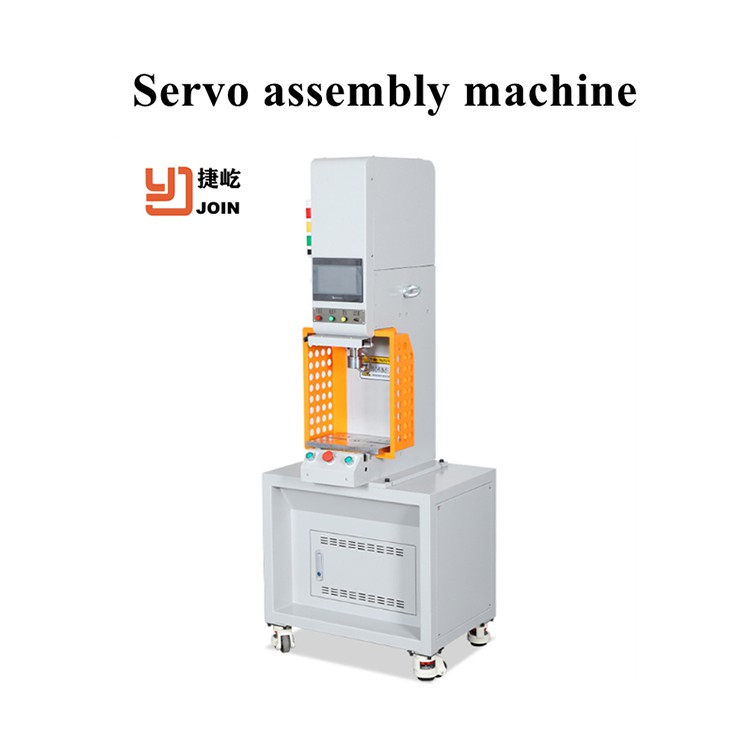
Before we start adjusting the force, it's important to understand how the Servo Assembly Machine works. These machines use servo motors to control the movement and force during the assembly process. The servo motor can be programmed to apply a specific amount of force based on the requirements of the assembly task.
The assembly force is usually measured in units like Newtons (N) or pounds - force (lbf). The machine's control system allows you to set the desired force value, and the servo motor will try to maintain that force throughout the assembly operation.
Steps to Adjust the Assembly Force
Step 1: Know Your Assembly Requirements
The first step is to clearly define the assembly requirements. This means understanding the specifications of the parts you're assembling. You need to know things like the material properties of the components, their dimensions, and the required level of tightness or fit. For instance, if you're assembling plastic parts, they may require a lower force compared to metal parts to avoid cracking.
You can refer to the product design documents or consult with the engineering team to get accurate information about the assembly requirements. This will give you a starting point for setting the assembly force.
Step 2: Check the Machine's Calibration
Before making any force adjustments, it's essential to ensure that the Servo Assembly Machine is properly calibrated. A miscalibrated machine can give inaccurate force readings and make it difficult to achieve the desired assembly force.
Check the calibration of the force sensors in the machine. These sensors are responsible for measuring the actual force being applied during assembly. Most modern Servo Assembly Machines have built - in calibration procedures. Follow the manufacturer's instructions to calibrate the force sensors. If you're not sure how to do it, you can always reach out to our technical support team for guidance. You can find more about our Servo Assembly Machine on our website.
Step 3: Set the Initial Force Value
Once you have a clear idea of the assembly requirements and the machine is calibrated, it's time to set the initial force value in the machine's control system. Start with a conservative estimate based on your knowledge of the parts. If you're not sure, you can also look at similar assembly processes or consult industry standards.
For example, if you're assembling small electronic components, you might start with a relatively low force value and gradually increase it if needed. Enter the initial force value into the control panel of the machine. Make sure to double - check the value to avoid any errors.
Step 4: Conduct Test Assemblies
After setting the initial force value, it's time to run some test assemblies. Use a small batch of parts that are representative of the actual production parts. Observe the assembly process closely. Check if the parts are being assembled correctly, if there are any signs of damage, and if the fit is as expected.
Measure the actual force applied during the test assemblies. You can use external force - measuring devices for a more accurate reading. Compare the measured force with the set force value. If there are significant differences, you may need to adjust the force setting in the machine.
Step 5: Make Incremental Adjustments
Based on the results of the test assemblies, make incremental adjustments to the assembly force. If the force is too low and the parts are not assembling properly, increase the force in small steps. Conversely, if the force is too high and causing damage, decrease the force.
After each adjustment, run another test assembly to evaluate the results. Keep making adjustments until you achieve the desired assembly force and quality. It may take a few tries to get it just right, but patience is key here.

Factors Affecting Assembly Force
There are several factors that can affect the assembly force in a Servo Assembly Machine. Understanding these factors can help you make more accurate adjustments.
Component Variations
The parts you're assembling may have some natural variations in their dimensions, material properties, and surface finishes. For example, slight differences in the thickness of a plastic part can affect the force required for assembly. To account for these variations, you may need to adjust the assembly force slightly for each batch of parts.
Machine Wear and Tear
Over time, the components of the Servo Assembly Machine can wear out. This can affect the accuracy of the force application. Regular maintenance and inspection of the machine are essential to ensure that it continues to apply the correct force. Replace any worn - out parts as needed to maintain the machine's performance.
Environmental Conditions
The environment in which the assembly takes place can also have an impact on the assembly force. Temperature, humidity, and dust can all affect the performance of the machine and the parts being assembled. For example, high humidity can make some materials more slippery, requiring a higher force for assembly. Try to maintain a stable environmental condition as much as possible.
Other Tips for Assembly Force Adjustment
- Use Force - Monitoring Software: Many modern Servo Assembly Machines come with force - monitoring software. This software can provide real - time data on the force being applied during assembly. You can use this data to analyze the assembly process, detect any abnormalities, and make adjustments as needed.
- Train Your Operators: Properly trained operators are essential for accurate force adjustment. Make sure your operators understand the importance of assembly force, how to operate the machine's control system, and how to conduct test assemblies. Provide regular training and refresher courses to keep their skills up - to - date.
Conclusion
Adjusting the assembly force of a Servo Assembly Machine is a critical process that requires attention to detail and a good understanding of the assembly requirements. By following the steps outlined in this blog, you can ensure that your machine applies the right amount of force, resulting in high - quality assembled products.
If you're in the market for a Servo Assembly Machine or need more information on force adjustment, don't hesitate to reach out. We're here to help you with all your assembly needs. You can also check out our other products like the Paper Insert Machine and Rotor Magnet Insert Machine on our website.
References
- General knowledge and experience from working in the Servo Assembly Machine industry.
- Manufacturer's manuals and documentation for Servo Assembly Machines.


