

In the realm of wire and cable manufacturing, achieving consistent and precise tension during the winding process is crucial for ensuring product quality and performance. This is where a winding tensioner meter comes into play. As a leading supplier of winding tensioner meters, I am often asked whether these devices can be effectively used for the winding of wires and cables. In this blog post, I will delve into this question, exploring the capabilities of winding tensioner meters and their suitability for wire and cable winding applications.
Understanding the Basics of Winding Tensioner Meters
Before we discuss the applicability of winding tensioner meters to wire and cable winding, it's important to understand what these devices are and how they work. A winding tensioner meter is a specialized instrument designed to measure and control the tension of a material as it is being wound onto a spool, reel, or other winding device. These meters typically consist of a tension sensor, a control unit, and a display that provides real-time feedback on the tension level.
There are several types of winding tensioner meters available on the market, each with its own unique features and capabilities. Some of the most common types include Servo Tensioner, Magnetic Tensioner, and Mechanical Tensioner. Servo tensioners use a servo motor to adjust the tension, providing precise and responsive control. Magnetic tensioners utilize magnetic fields to apply tension, offering a non-contact and maintenance-free solution. Mechanical tensioners, on the other hand, rely on mechanical components such as springs and brakes to regulate the tension.
The Importance of Tension Control in Wire and Cable Winding
Proper tension control is essential in wire and cable winding for several reasons. First and foremost, it ensures the uniformity of the winding, preventing issues such as loose or tight spots that can lead to cable damage, reduced performance, and even safety hazards. Consistent tension also helps to improve the overall appearance of the wound product, making it more aesthetically pleasing and easier to handle.
In addition, maintaining the correct tension during winding can significantly enhance the durability and reliability of the wires and cables. When the tension is too high, it can cause the wire to stretch or break, leading to premature failure. Conversely, if the tension is too low, the cable may become loose and prone to tangling, which can also affect its performance. By using a winding tensioner meter to monitor and adjust the tension in real-time, manufacturers can ensure that their products meet the highest quality standards.
Can a Winding Tensioner Meter be Used for Winding of Wires and Cables?
The short answer is yes, a winding tensioner meter can be effectively used for the winding of wires and cables. These devices are designed to provide accurate and reliable tension measurement and control, making them an ideal solution for a wide range of wire and cable winding applications.
One of the key advantages of using a winding tensioner meter in wire and cable winding is its ability to maintain a consistent tension throughout the winding process. This is particularly important when winding long lengths of wire or cable, as even small variations in tension can accumulate over time and result in significant differences in the final product. By continuously monitoring the tension and making adjustments as needed, a winding tensioner meter ensures that the tension remains within the desired range, resulting in a uniform and high-quality winding.
Another benefit of using a winding tensioner meter is its versatility. These devices can be easily integrated into existing winding machines, allowing manufacturers to upgrade their equipment without having to invest in a completely new system. Additionally, winding tensioner meters can be used with a variety of wire and cable materials, including copper, aluminum, fiber optic, and more, making them suitable for a wide range of applications in different industries.
Factors to Consider When Using a Winding Tensioner Meter for Wire and Cable Winding
While a winding tensioner meter can be a valuable tool for wire and cable winding, there are several factors that manufacturers need to consider to ensure optimal performance. These factors include:

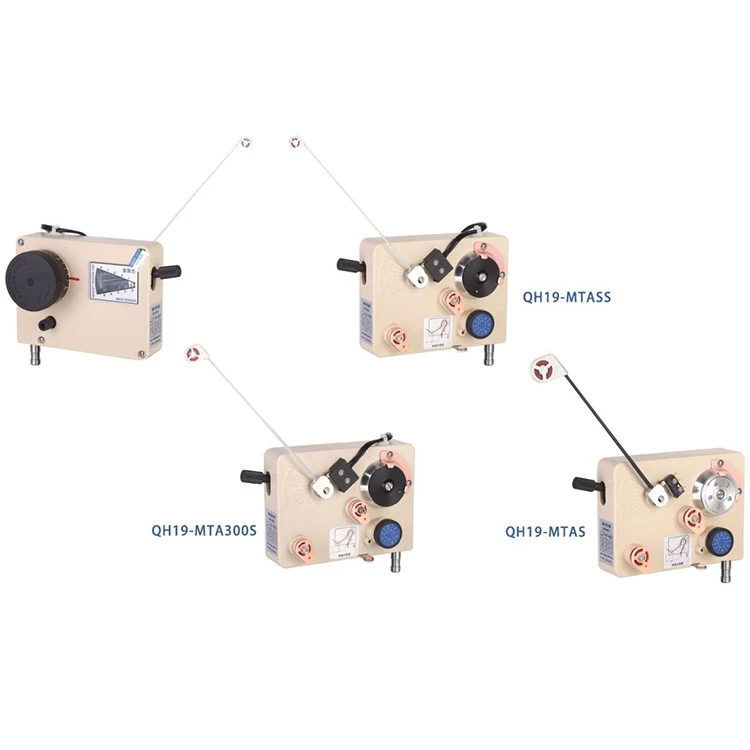
- Type of Wire or Cable: Different types of wires and cables have different physical properties, such as diameter, flexibility, and tensile strength. These properties can affect the tension requirements during winding, so it's important to choose a winding tensioner meter that is compatible with the specific type of wire or cable being used.
- Winding Speed: The speed at which the wire or cable is being wound can also impact the tension requirements. Higher winding speeds generally require higher tension to prevent the cable from slipping or becoming loose. A winding tensioner meter should be able to adjust the tension quickly and accurately to accommodate changes in winding speed.
- Winding Machine Configuration: The design and configuration of the winding machine can also affect the performance of the winding tensioner meter. For example, the type of spool or reel being used, the number of layers being wound, and the presence of any guides or pulleys can all influence the tension distribution. Manufacturers should ensure that the winding tensioner meter is properly installed and calibrated to work effectively with their specific winding machine.
Conclusion
In conclusion, a winding tensioner meter is a valuable tool for the winding of wires and cables. These devices offer accurate and reliable tension measurement and control, ensuring a consistent and high-quality winding process. By using a winding tensioner meter, manufacturers can improve the efficiency, durability, and reliability of their wire and cable products, while also reducing the risk of defects and failures.
If you are involved in the wire and cable manufacturing industry and are looking for a reliable solution for tension control during winding, I encourage you to consider our range of winding tensioner meters. Our products are designed to meet the highest standards of quality and performance, and our team of experts is available to provide you with the support and guidance you need to make the right choice for your specific application. Contact us today to learn more about how our winding tensioner meters can help you improve your wire and cable winding process.
References
- "Tension Control in Wire and Cable Winding," Journal of Manufacturing Technology, Vol. XX, Issue XX, 20XX.
- "Advances in Winding Tensioner Meter Technology," Proceedings of the International Conference on Manufacturing Engineering, 20XX.
- "Best Practices for Tension Control in Wire and Cable Manufacturing," Industry Standards Handbook, 20XX.


