

Can a Rotor Gluing Machine be used for gluing rotors made of different materials?
Hey there! I'm a supplier of Rotor Gluing Machines, and today I wanna talk about a super common question: Can our Rotor Gluing Machine be used for gluing rotors made of different materials? Well, let's dive right in and explore this topic.
First off, let's understand what a Rotor Gluing Machine does. It's a crucial piece of equipment in the motor manufacturing process. Its main job is to apply glue precisely and evenly on the rotors, ensuring a strong and reliable bond. This bond is essential for the proper functioning and durability of the motor.
Now, when it comes to rotors, they can be made from a variety of materials. Some of the most common ones include steel, iron, and various types of alloys. Each material has its own unique properties, such as surface roughness, porosity, and chemical composition. These properties can have a significant impact on the gluing process.
Let's start with steel rotors. Steel is a widely used material in the motor industry due to its high strength and good magnetic properties. When gluing steel rotors, our Rotor Gluing Machine can work like a charm. The machine is equipped with advanced nozzles and control systems that can adjust the glue flow and pressure according to the specific requirements of the steel surface. The glue we usually use for steel has excellent adhesion properties, which can form a strong bond with the steel, even under high - speed rotation and high - temperature conditions.
Iron rotors are another common type. Iron has a relatively porous surface compared to steel. Our Rotor Gluing Machine can handle this situation well. Before applying the glue, the machine can be set to pre - treat the iron surface, for example, by blowing air to remove dust and debris. Then, the glue is applied in a way that it can penetrate into the pores of the iron, creating a more secure bond. The machine's adjustable parameters allow us to optimize the gluing process for iron rotors, ensuring that the glue spreads evenly and adheres firmly.
Alloy rotors, on the other hand, are a bit more challenging. Alloys can have different compositions, and their properties can vary greatly. Some alloys may have a more reactive surface, while others may be more resistant to glue adhesion. However, our Rotor Gluing Machine is designed with flexibility in mind. We can use different types of glue depending on the alloy composition. For example, if the alloy has a high - copper content, we may choose a glue that is specifically formulated for copper - based materials. The machine can also be adjusted to change the application temperature and pressure to achieve the best gluing results for alloy rotors.
In addition to the common materials mentioned above, there are also some special - purpose rotors made of materials like carbon fiber or ceramic. Gluing these materials requires a different approach. For carbon fiber rotors, the surface is usually very smooth, and the glue needs to have good wetting properties to ensure adhesion. Our Rotor Gluing Machine can be equipped with special nozzles that can apply the glue in a thin, even layer, allowing the glue to spread well on the carbon fiber surface. For ceramic rotors, which are often brittle, the machine can be set to apply the glue gently to avoid damaging the ceramic.
Now, let's talk about the advantages of using our Rotor Gluing Machine for different materials. Firstly, it saves time and labor. Instead of using manual methods, which are not only time - consuming but also less accurate, our machine can complete the gluing process quickly and precisely. This is especially important for large - scale production. Secondly, it ensures consistency. Every rotor passing through our machine will be glued with the same high - quality standard, which is crucial for the quality control of the final product.
Moreover, our Rotor Gluing Machine is also very efficient in terms of glue consumption. It can accurately control the amount of glue used, reducing waste and saving costs. And we constantly update our machine technology to adapt to new materials and production requirements.
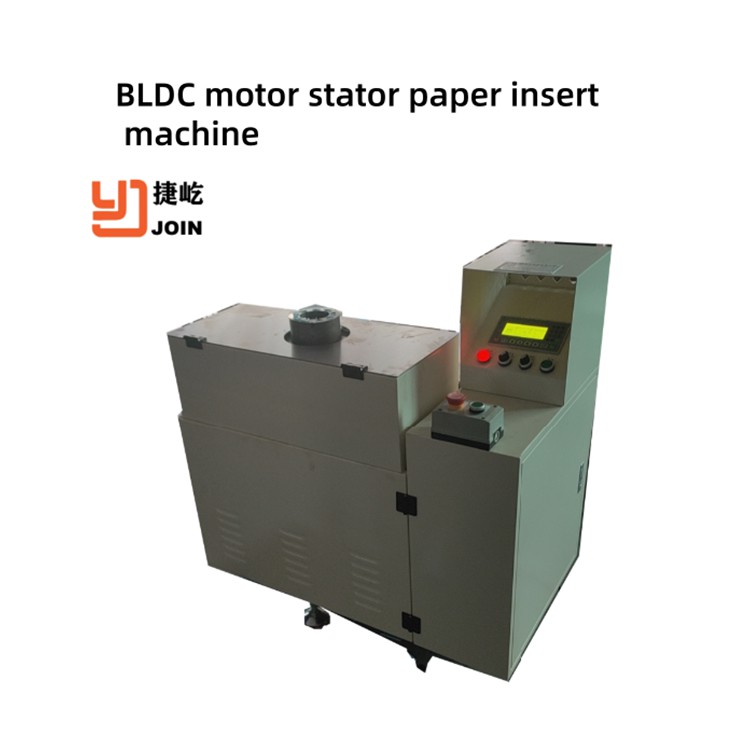
If you're also in need of other motor - related equipment, we've got you covered. Check out our Rotor Magnet Insert Machine, Paper Insert Machine, and Stator Insulation Machine. These machines are all designed to work seamlessly with our Rotor Gluing Machine, providing you with a comprehensive motor manufacturing solution.
In conclusion, our Rotor Gluing Machine is a versatile piece of equipment that can be used for gluing rotors made of different materials. Whether it's common materials like steel and iron or special - purpose materials like carbon fiber and ceramic, our machine can adapt to the specific requirements of each material and deliver excellent gluing results.

If you're interested in our Rotor Gluing Machine or any of the other equipment I mentioned, don't hesitate to reach out. We're always ready to discuss your needs and provide you with the best solutions for your motor manufacturing process. Let's have a chat and see how we can work together to boost your production efficiency and product quality.
References
- Motor Manufacturing Handbook: Covers general knowledge about motor components and manufacturing processes.
- Glue Technology Guides: Information about different types of glue and their applications on various materials.


