

Can a Bearing Assembly Machine work in a dusty environment?
As a supplier of Bearing Assembly Machines, I often receive inquiries from customers about the machine's performance in various working conditions, especially the challenging dusty environments. In this blog, I'll delve into whether a Bearing Assembly Machine can operate effectively in such settings, the potential impacts of dust, and the strategies to mitigate these issues.
Understanding the Bearing Assembly Machine
Before discussing its performance in dusty environments, let's briefly understand what a Bearing Assembly Machine is. A Bearing Assembly Machine is a specialized piece of equipment designed to assemble bearings accurately and efficiently. It plays a crucial role in the manufacturing process of motors, automotive components, and many other industrial products. These machines are engineered with precision to ensure proper alignment, fitting, and assembly of bearing components, which directly affects the performance and lifespan of the final product.
The Impact of Dust on Bearing Assembly Machines
Dust can have several detrimental effects on the operation of a Bearing Assembly Machine. Firstly, dust particles can infiltrate the moving parts of the machine, such as the guides, rails, and bearings themselves. When dust accumulates on these surfaces, it can cause increased friction. This additional friction not only reduces the efficiency of the machine but also leads to accelerated wear and tear of the components. Over time, this can result in misalignments, which can compromise the accuracy of the bearing assembly process.
Secondly, dust can contaminate the lubricants used in the machine. Lubricants are essential for reducing friction and preventing corrosion in the moving parts. However, when dust mixes with the lubricant, it can form abrasive particles that scratch and damage the surfaces of the components. This can lead to a decrease in the lubricant's effectiveness and ultimately cause mechanical failures.

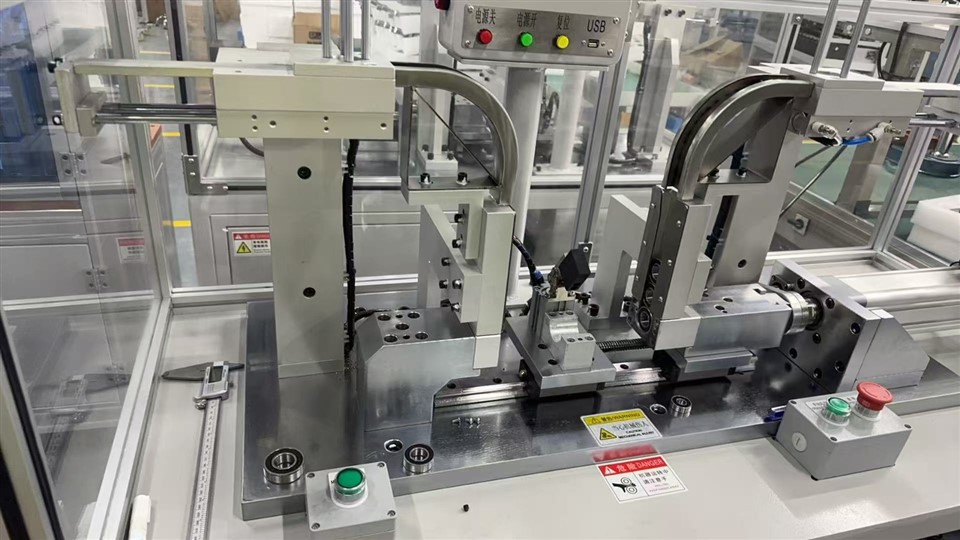
Another significant issue is the impact of dust on the machine's sensors and control systems. Modern Bearing Assembly Machines are equipped with various sensors to monitor the assembly process, ensure proper alignment, and detect any anomalies. Dust can interfere with the operation of these sensors, causing false readings or malfunctions. This can lead to incorrect assembly, production delays, and increased scrap rates.
Can a Bearing Assembly Machine Work in a Dusty Environment?
The short answer is yes, but with certain limitations and precautions. While a Bearing Assembly Machine can technically operate in a dusty environment, the performance and lifespan of the machine will be significantly affected if appropriate measures are not taken.
Some Bearing Assembly Machines are designed with certain levels of dust resistance. For example, they may have sealed enclosures or protective covers to prevent dust from entering the critical components. Additionally, some machines are equipped with air filtration systems that can help remove dust particles from the air inside the machine. However, these features may not be sufficient to protect the machine in extremely dusty environments.
Strategies to Mitigate the Effects of Dust
To ensure the reliable operation of a Bearing Assembly Machine in a dusty environment, several strategies can be implemented.
Environmental Control
One of the most effective ways is to control the environment in which the machine operates. This can be achieved by installing dust collection systems in the workshop. These systems can capture dust particles at the source, reducing the overall dust concentration in the air. Additionally, maintaining a clean and organized workspace can also help minimize the amount of dust that comes into contact with the machine.
Regular Maintenance
Regular maintenance is crucial for the proper functioning of a Bearing Assembly Machine in a dusty environment. This includes cleaning the machine regularly to remove dust and debris from the surfaces. The lubricants should also be changed at regular intervals to prevent contamination. Inspecting the machine's components for wear and tear and replacing any damaged parts promptly can help prevent major breakdowns.
Protective Measures
Using protective covers and seals can provide an additional layer of protection for the machine. These covers can prevent dust from entering the critical components, reducing the risk of damage. Additionally, installing air curtains or positive pressure systems around the machine can help keep dust out.
The Role of Technology in Dust Resistance
Advancements in technology have also contributed to improving the dust resistance of Bearing Assembly Machines. For example, some machines now use advanced materials that are more resistant to dust and wear. Additionally, the development of intelligent sensors and control systems can help detect and compensate for the effects of dust in real-time.
For instance, Servo Assembly Machine technology, which is often integrated with Bearing Assembly Machines, can adjust the machine's operation based on the detected conditions. This can help maintain the accuracy and efficiency of the assembly process even in the presence of dust.
Conclusion
In conclusion, while a Bearing Assembly Machine can work in a dusty environment, it requires careful consideration and implementation of appropriate measures to ensure reliable performance and a long lifespan. By controlling the environment, performing regular maintenance, and using protective measures, the negative impacts of dust can be minimized.
If you are considering purchasing a Bearing Assembly Machine for a dusty environment, it is important to choose a machine that is designed with dust resistance in mind. Our company offers a range of high-quality Bearing Assembly Machines that are engineered to perform in various working conditions. We also provide comprehensive after-sales support, including maintenance and technical assistance, to help you get the most out of your machine.
If you have any questions or would like to discuss your specific requirements, please feel free to contact us. We are committed to providing you with the best solutions for your bearing assembly needs.
References
- "Industrial Machine Design and Maintenance" - A comprehensive guide on the design and maintenance of industrial machines, including considerations for operating in harsh environments.
- "Dust Control in Manufacturing Facilities" - A research paper on the importance of dust control in industrial settings and the various methods available.
- "Advancements in Bearing Assembly Technology" - An article that discusses the latest technological developments in bearing assembly machines and their implications for performance and reliability.


