

In the dynamic landscape of industrial equipment, mechanical tensioners play a pivotal role in various applications, from manufacturing to construction. As a reputable supplier of Mechanical Tensioner, I often encounter inquiries regarding the legal regulations governing their use. This blog aims to shed light on this crucial topic, providing a comprehensive overview of the legal aspects associated with mechanical tensioners.
Understanding Mechanical Tensioners
Before delving into the legal regulations, it's essential to understand what mechanical tensioners are and their significance. Mechanical tensioners are devices designed to apply and maintain a specific amount of tension in a system. They are commonly used in industries such as automotive, aerospace, and textile, where precise tension control is critical for the quality and efficiency of the production process.
Mechanical tensioners come in various types, each with its unique features and applications. Some of the most common types include spring-loaded tensioners, pneumatic tensioners, and hydraulic tensioners. These devices are engineered to provide reliable and consistent tension, ensuring the smooth operation of machinery and equipment.
Legal Regulations Governing Mechanical Tensioners
The use of mechanical tensioners is subject to a variety of legal regulations at both the national and international levels. These regulations are designed to ensure the safety of workers, protect the environment, and maintain the quality of products. Here are some of the key legal aspects to consider:
Safety Standards
One of the primary concerns when using mechanical tensioners is safety. To address this, many countries have established strict safety standards that manufacturers and users must comply with. These standards typically cover aspects such as design, construction, installation, and maintenance of mechanical tensioners.
For example, in the United States, the Occupational Safety and Health Administration (OSHA) has issued regulations regarding the use of machinery and equipment in the workplace. These regulations require employers to provide a safe working environment for their employees, including the proper use and maintenance of mechanical tensioners. Failure to comply with these regulations can result in significant fines and penalties.
Environmental Regulations
In addition to safety standards, mechanical tensioners are also subject to environmental regulations. These regulations aim to minimize the impact of industrial activities on the environment, including the use of hazardous materials and the generation of waste.
For instance, some countries have restrictions on the use of certain types of lubricants and fluids in mechanical tensioners due to their potential environmental impact. Manufacturers are required to ensure that their products comply with these regulations and provide appropriate instructions for their use and disposal.
Product Liability Laws
Product liability laws hold manufacturers and suppliers responsible for any damages or injuries caused by their products. If a mechanical tensioner is found to be defective or unsafe, the manufacturer may be liable for compensation to the affected parties.

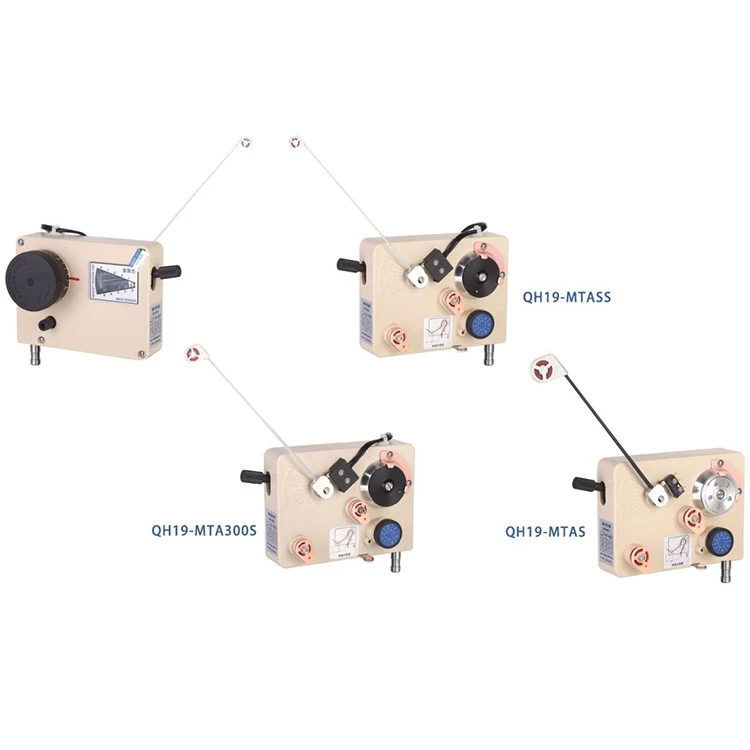
To protect themselves from product liability claims, manufacturers must ensure that their mechanical tensioners are designed and manufactured to meet the highest quality standards. They should also provide clear instructions for use, maintenance, and safety precautions.
Compliance and Certification
To demonstrate compliance with the relevant legal regulations, manufacturers often seek certification from recognized third-party organizations. These certifications provide assurance to customers that the mechanical tensioners meet the required standards and are safe to use.
One of the most widely recognized certifications for mechanical tensioners is the CE marking. The CE marking indicates that a product complies with the essential health and safety requirements of the European Union. Products bearing the CE marking can be sold freely within the EU market.
In addition to the CE marking, there are other certifications available depending on the specific application and industry. For example, the American Society of Mechanical Engineers (ASME) offers certifications for pressure vessels and other mechanical equipment, including mechanical tensioners.
Importance of Legal Compliance for Suppliers
As a supplier of mechanical tensioners, legal compliance is of utmost importance. Not only does it ensure the safety and well-being of our customers, but it also helps to build trust and credibility in the market.
By providing high-quality mechanical tensioners that comply with the relevant legal regulations, we can differentiate ourselves from our competitors and attract more customers. We also demonstrate our commitment to social responsibility and environmental sustainability.
Other Types of Tensioners
In addition to mechanical tensioners, there are other types of tensioners available in the market, each with its own advantages and applications. Two popular alternatives are Servo Tensioner and Magnetic Tensioner.
Servo tensioners use servo motors to provide precise and adjustable tension control. They are often used in applications where high accuracy and repeatability are required, such as in the electronics and semiconductor industries.
Magnetic tensioners, on the other hand, use magnetic fields to apply tension. They are known for their smooth operation, low maintenance requirements, and ability to handle high-speed applications. Magnetic tensioners are commonly used in industries such as wire and cable manufacturing, textile, and packaging.
Conclusion
In conclusion, the use of mechanical tensioners is subject to a variety of legal regulations that aim to ensure safety, protect the environment, and maintain product quality. As a supplier of mechanical tensioners, it is our responsibility to ensure that our products comply with these regulations and provide our customers with the necessary support and guidance.
By understanding the legal aspects associated with mechanical tensioners, customers can make informed decisions when purchasing and using these products. They can also ensure that they are operating in compliance with the law and avoiding any potential legal issues.
If you are interested in learning more about our mechanical tensioners or other types of tensioners, such as servo tensioners and magnetic tensioners, please feel free to contact us. Our team of experts is ready to assist you with your specific requirements and provide you with the best solutions for your applications.
References
- Occupational Safety and Health Administration (OSHA). (n.d.). Machinery and Machine Guarding. Retrieved from [OSHA website]
- European Union. (n.d.). CE Marking. Retrieved from [European Union website]
- American Society of Mechanical Engineers (ASME). (n.d.). Certification Programs. Retrieved from [ASME website]


